
Adaptive Reuse Projects: Creating Commercial Value Through Design
From Landmark to Destination: The Commercial Value of Adaptive Reuse
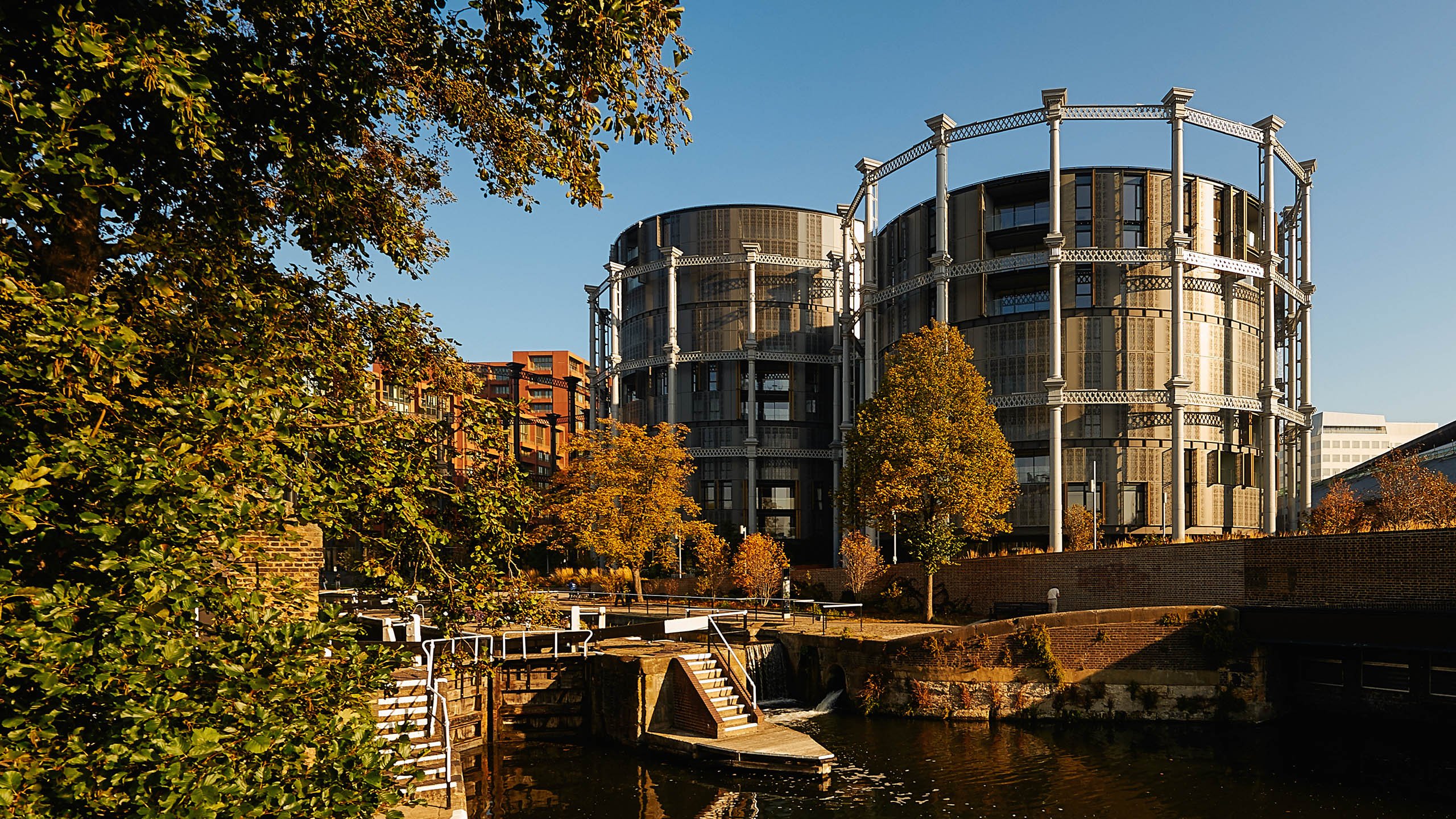
Some of the world's most memorable hotels, aparthotels and hospitality destinations were never originally designed for the purpose they serve today. Grand office buildings, former banks, industrial warehouses, country estates and civic landmarks are increasingly being reimagined as places where people stay, work, dine and gather.
This process of adaptive reuse is transforming the hospitality sector. Rather than demolishing and rebuilding, developers are recognising the commercial, cultural and environmental value of existing buildings with strong architectural identities. For investors, operators and guests alike, these properties offer something that new-build developments often struggle to replicate: authenticity.
At WOOLF, we believe the most valuable buildings are often those with a rich history and a strong identity. Through thoughtful design, these landmarks can become commercially successful destinations while retaining the character that made them significant in the first place.
What Is Adaptive Reuse?
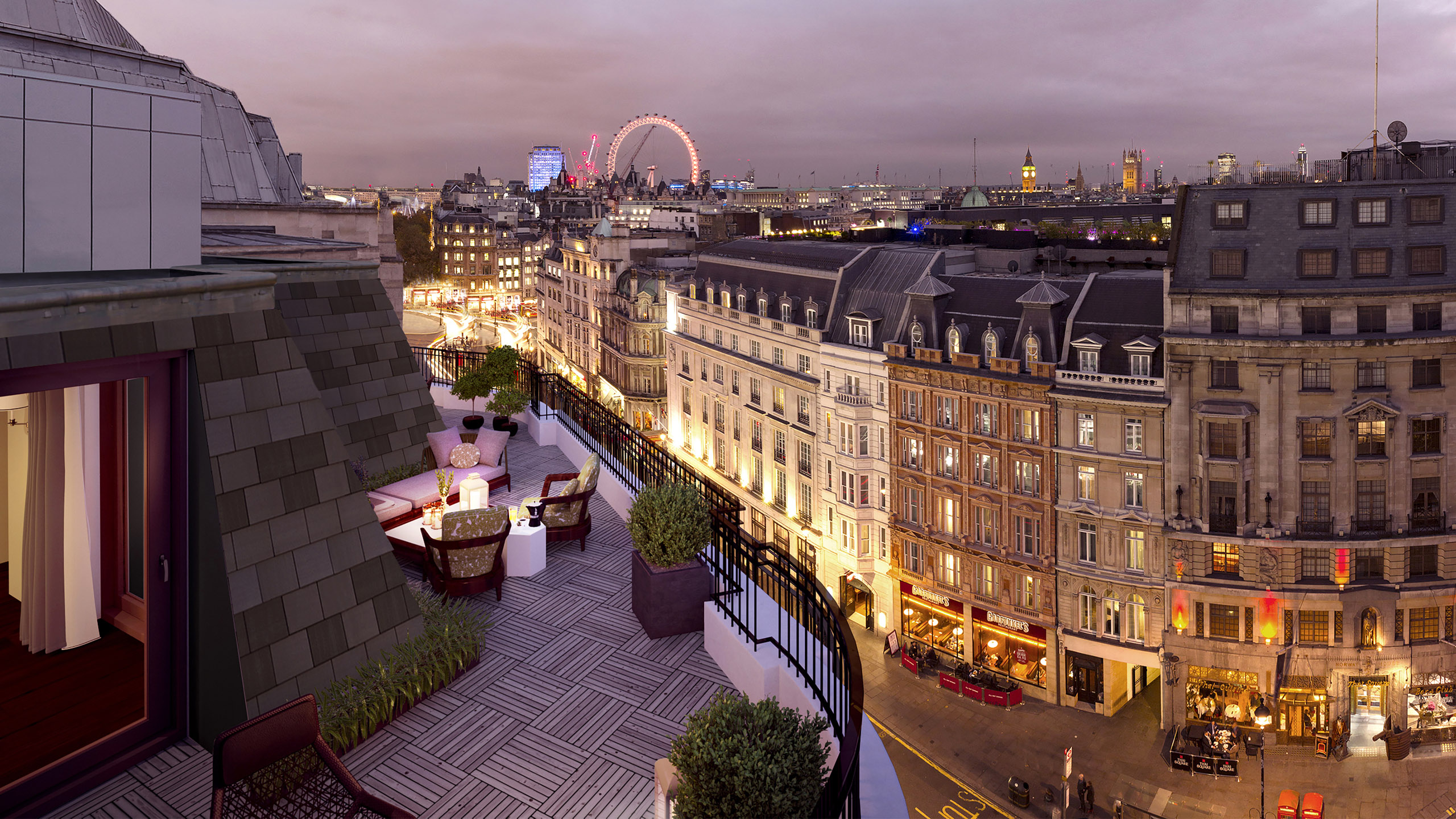
Adaptive reuse goes beyond restoration or refurbishment. Rather than simply repairing a building or returning it to its original condition, it involves carefully transforming an existing structure for an entirely new purpose.
The process respects architectural heritage while introducing new layouts, infrastructure and experiences that meet contemporary expectations. Historic offices become boutique hotels. Former department stores evolve into aparthotels. Country houses become luxury hospitality destinations. Industrial buildings become vibrant mixed-use neighbourhoods.
The result is not simply a preserved building, but a revitalised commercial asset with a renewed future.
Why Existing Buildings Offer a Commercial Advantage
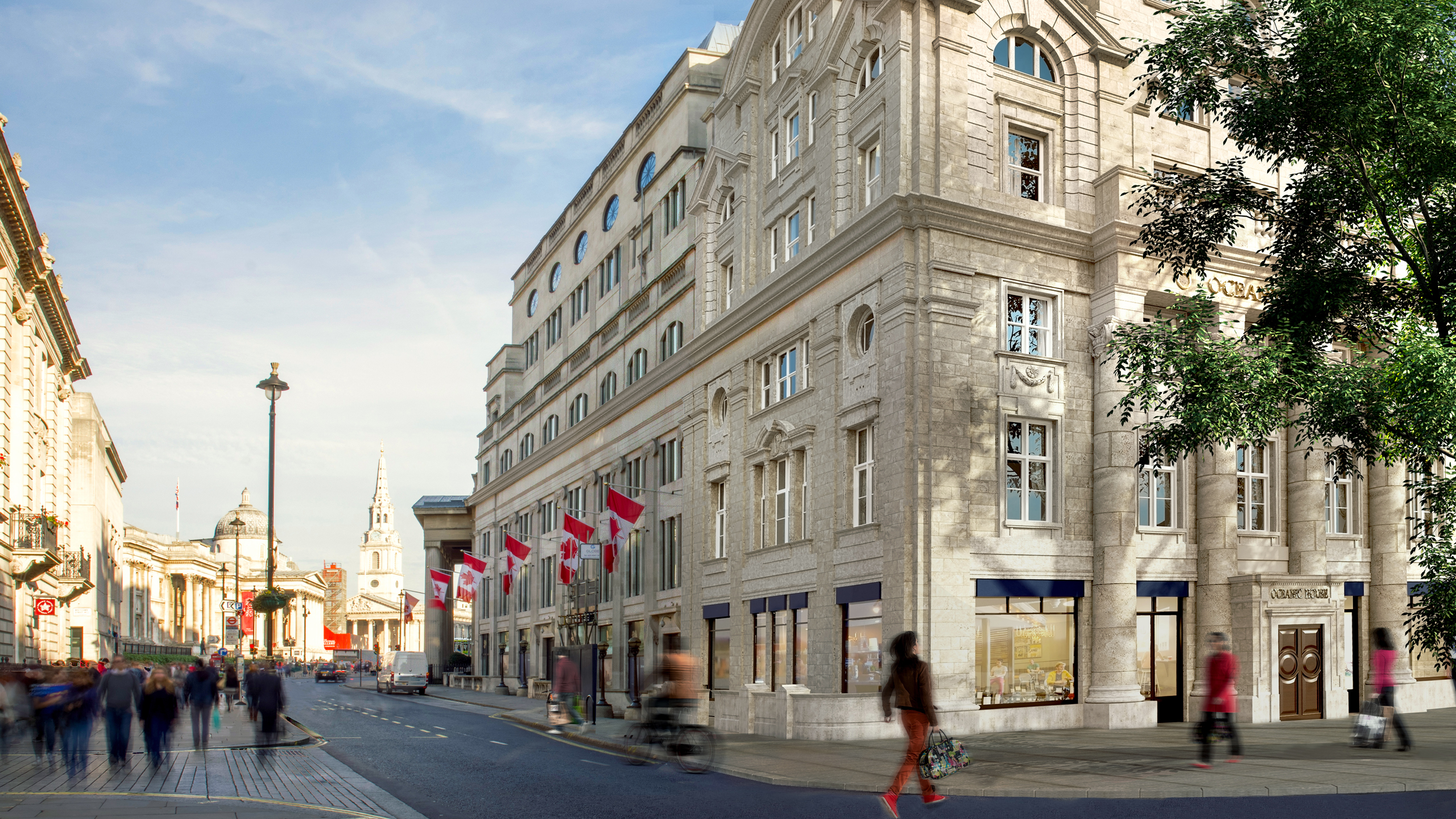
In an increasingly competitive hospitality market, distinctive buildings provide immediate differentiation.
Historic architecture creates a compelling first impression that cannot easily be replicated through decoration alone. Original façades, dramatic staircases, vaulted ceilings and period detailing become part of the guest experience and an integral part of a brand's identity.
These buildings also tell stories. Their history creates authentic marketing narratives, helping operators build stronger emotional connections with guests while generating valuable social media exposure and repeat visitation.
Rather than competing on price alone, characterful destinations compete on experience.
Heritage as a Business Asset
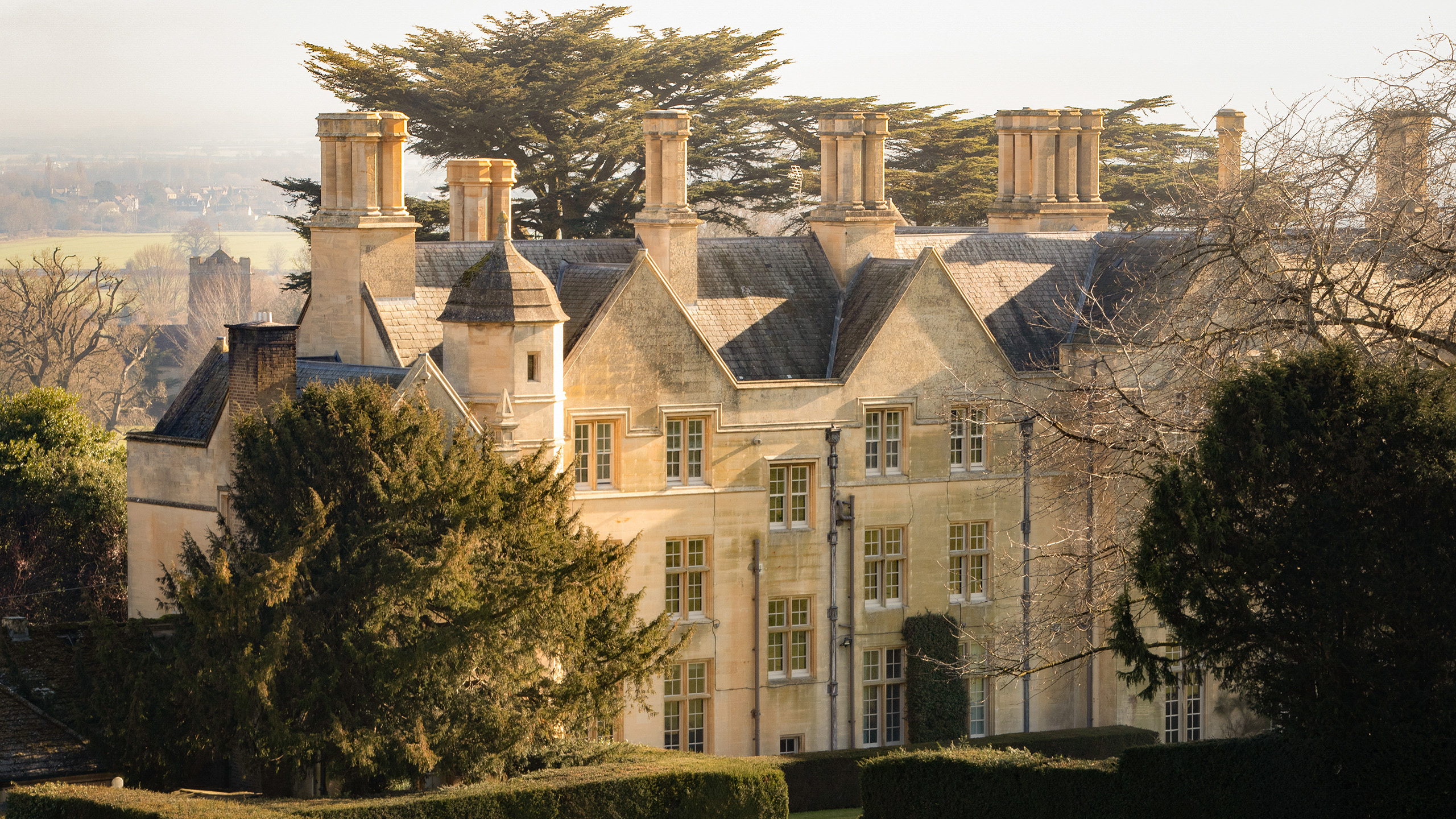
Successful heritage building renovation demonstrates that conservation and commercial success are not opposing ambitions.
Architectural character provides a powerful sense of place, allowing hospitality destinations to celebrate local history while creating memorable visitor experiences. Heritage becomes part of the brand rather than an obstacle to development.
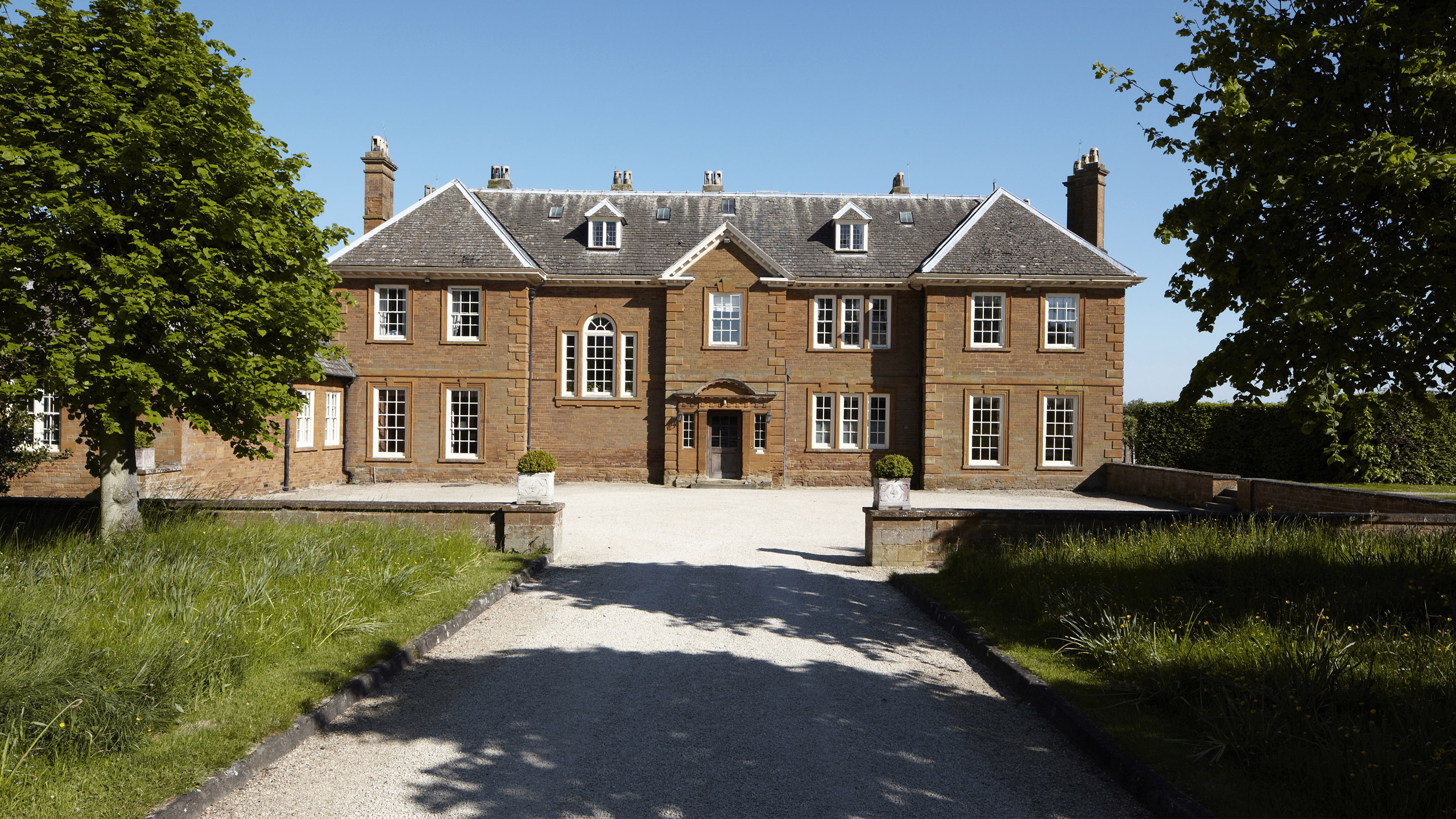
Projects such as WOOLF's work at Oceanic House demonstrate how landmark commercial buildings can be sensitively reimagined for contemporary hospitality, while our involvement with Dumbleton Hall Hotel reflects how historic estates can evolve into destinations that combine heritage, luxury accommodation and memorable guest experiences.
When heritage is understood rather than simply preserved, it becomes a valuable commercial asset.
Transforming Buildings for Modern Expectations
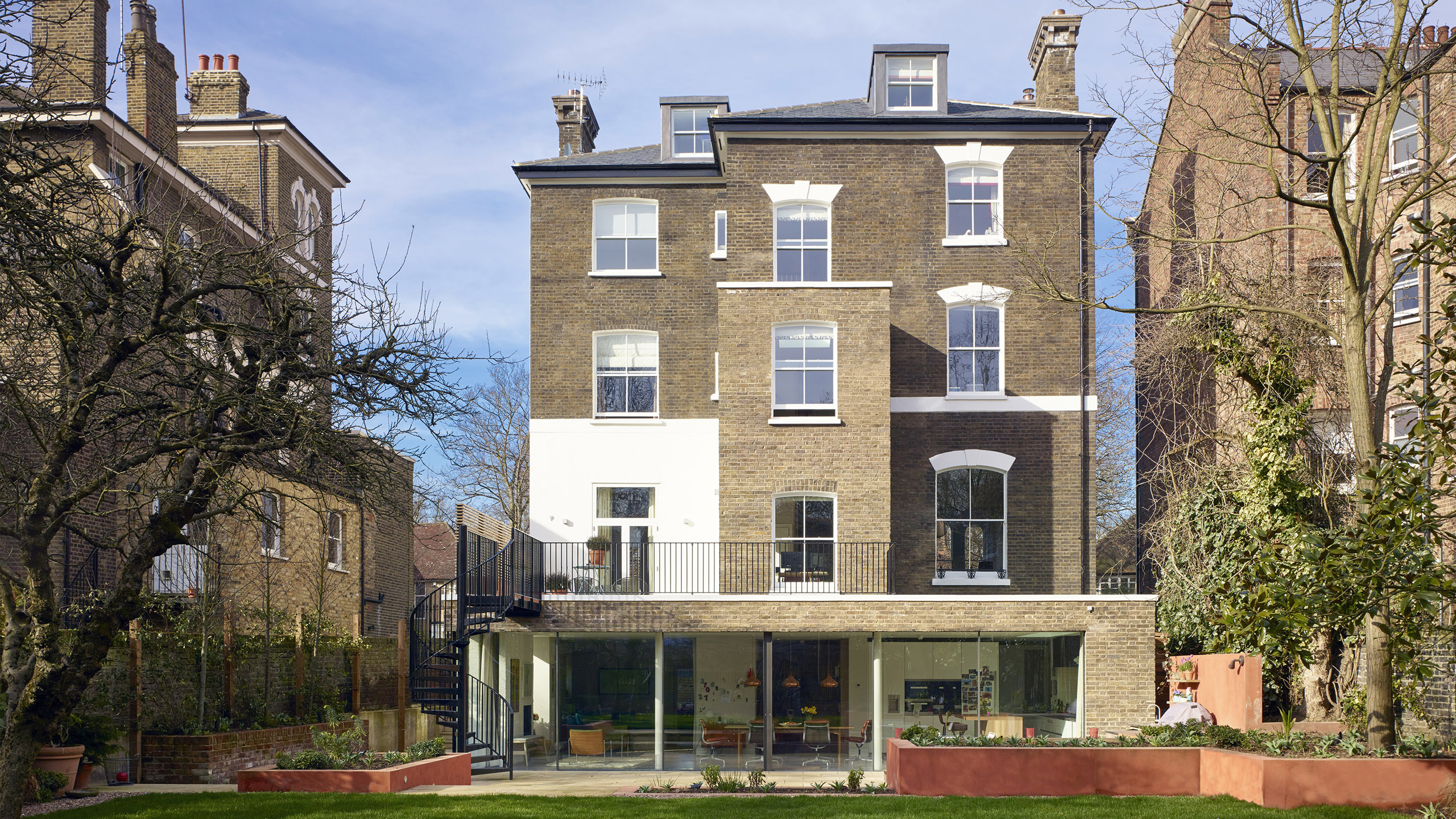
Today's guests expect exceptional comfort, accessibility, technology and sustainability regardless of a building's age.
Achieving this balance requires an interior architecture-led approach that carefully integrates modern services without compromising historic character.
Hospitality operators also require flexible accommodation models. Boutique hotels, extended-stay residences, aparthotels and mixed-use developments increasingly demand adaptable layouts that support changing operational requirements while delivering outstanding guest experiences.
The most successful projects allow historic architecture and contemporary functionality to complement one another rather than compete.
Sustainability Through Reuse
One of the greatest advantages of adaptive reuse is its environmental impact.
Retaining existing structures significantly reduces demolition waste while preserving the embodied carbon already invested in the building. Extending a building's lifespan is often one of the most sustainable decisions a developer can make.
Alongside upgraded building services, improved energy performance and responsible material specification, adaptive reuse supports long-term environmental stewardship while reducing the carbon impact associated with entirely new construction.
Increasingly, sustainability is not simply an ethical consideration but an important commercial one, influencing investor decisions, operational costs and guest expectations alike.
Creating Destinations, Not Just Buildings
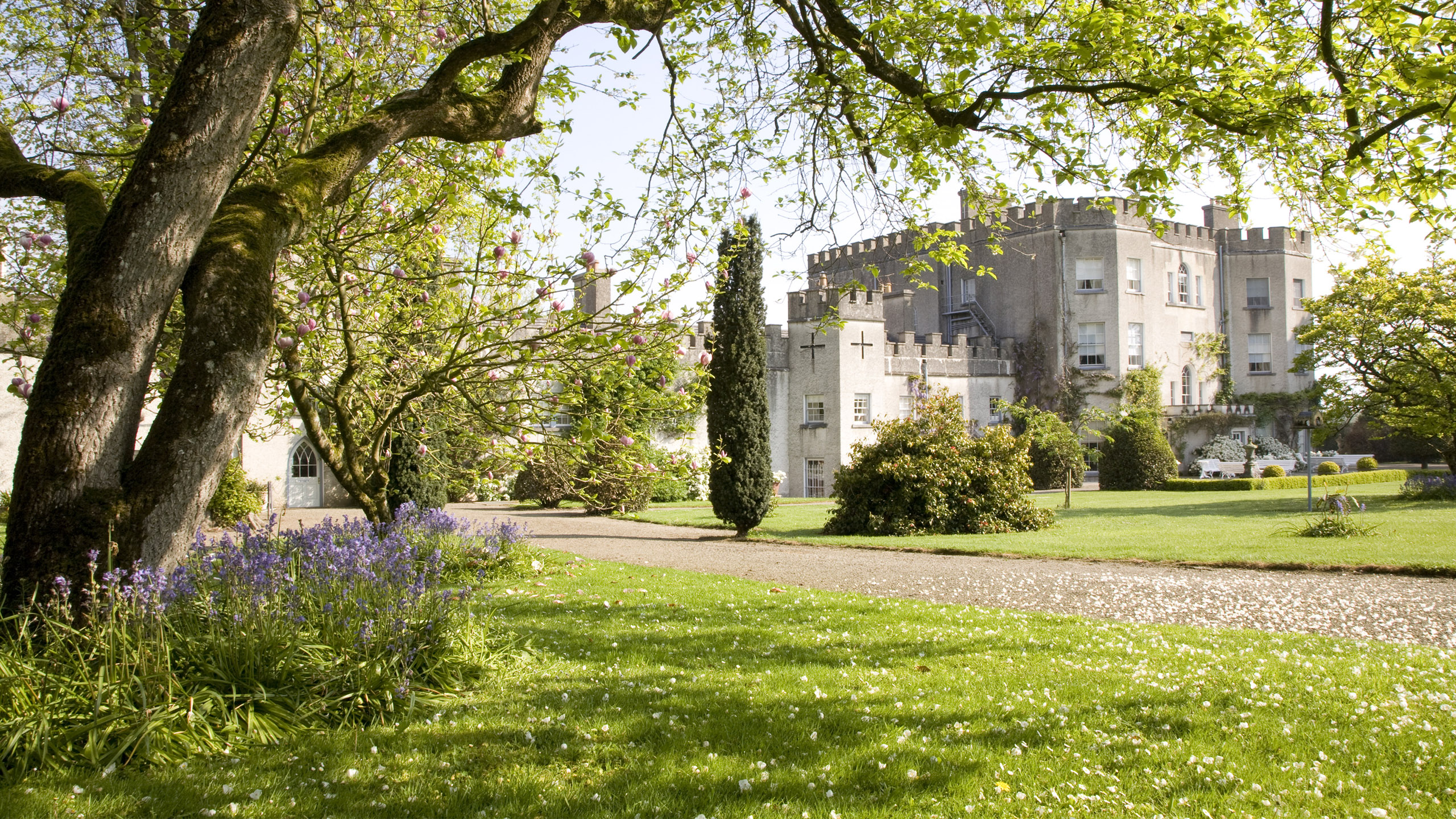
Exceptional hospitality is about more than providing accommodation.
The most successful adaptive reuse projects create destinations that encourage people to stay longer, return frequently and recommend the experience to others. Restaurants become neighbourhood gathering places, public spaces reconnect communities with landmark buildings, and carefully curated interiors create memorable emotional connections.
Experience-led design transforms architecture into a commercial ecosystem that supports hospitality, culture, retail and community engagement simultaneously.
For developers and operators, this creates long-term resilience, stronger brand identity and assets that continue to appreciate through their cultural relevance as well as their commercial performance.
Conclusion
The future of many landmark buildings lies not in preserving them unchanged, but in giving them a meaningful new purpose.
Adaptive reuse offers a powerful opportunity to unlock the commercial potential of existing buildings while celebrating their history, reducing environmental impact and creating places people genuinely want to visit. When heritage, sustainability and experience-led design are brought together through thoughtful interior architecture, landmark buildings become thriving destinations that generate lasting cultural, environmental and commercial value.
Discover more at woolfinterior.com