
Boutique Hotel Design | Creating Unique Hospitality Experiences
How to Design a Boutique Hotel That Feels Unique
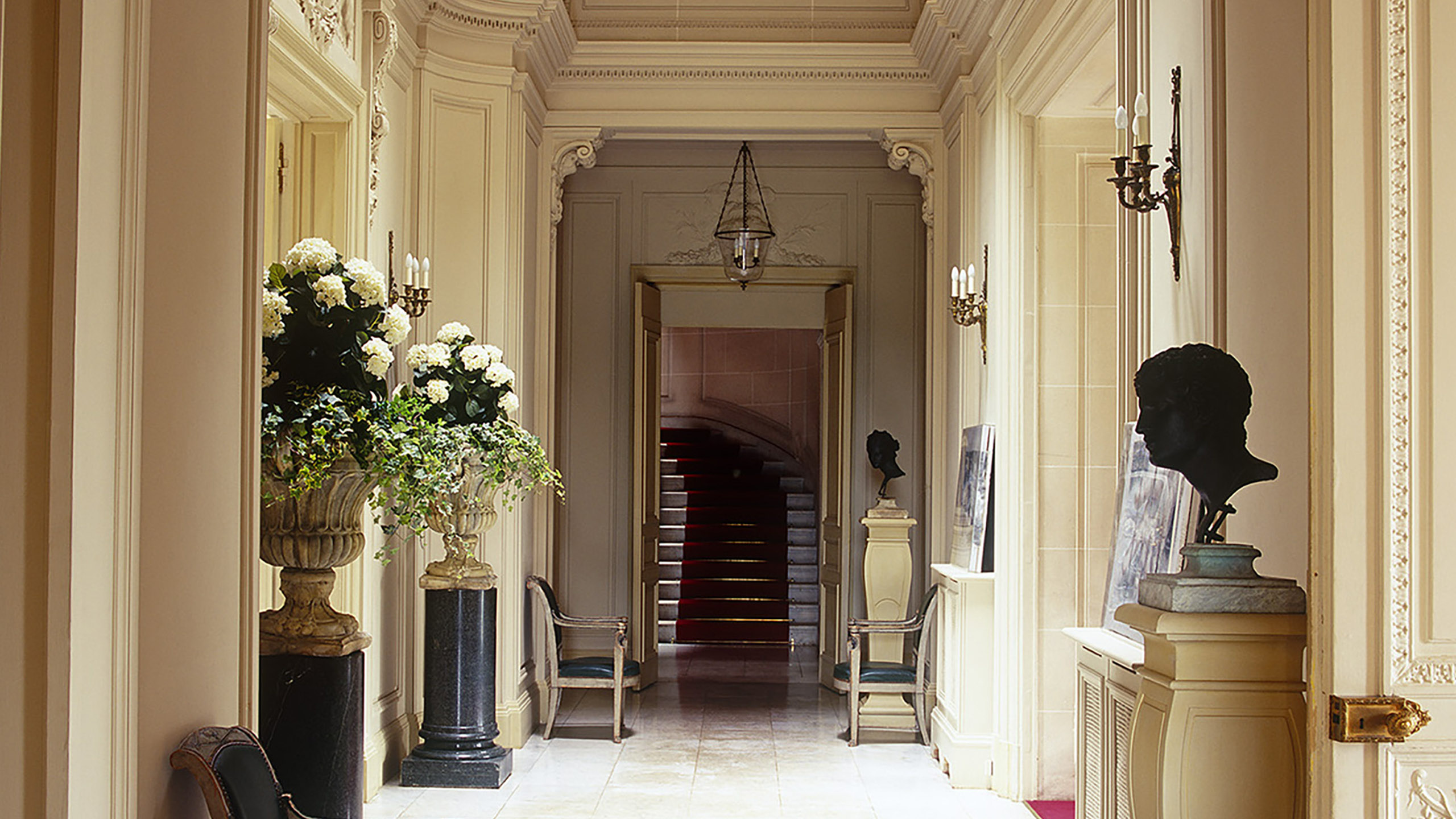
Boutique hotel design is often associated with strong visual themes — from industrial chic to luxury spa retreats. Hospitality spaces that attempt to stand out through a recognisable concept rarely maintain longevity on a concept alone.
The best examples of hospitality interior design are brands that create a distinct identity through atmosphere, storytelling and experience. They feel authentic to their location, architecture and audience, offering guests something memorable without relying on trends or legacy loyalty alone.
How to Design a Boutique Hotel That Feels Unique
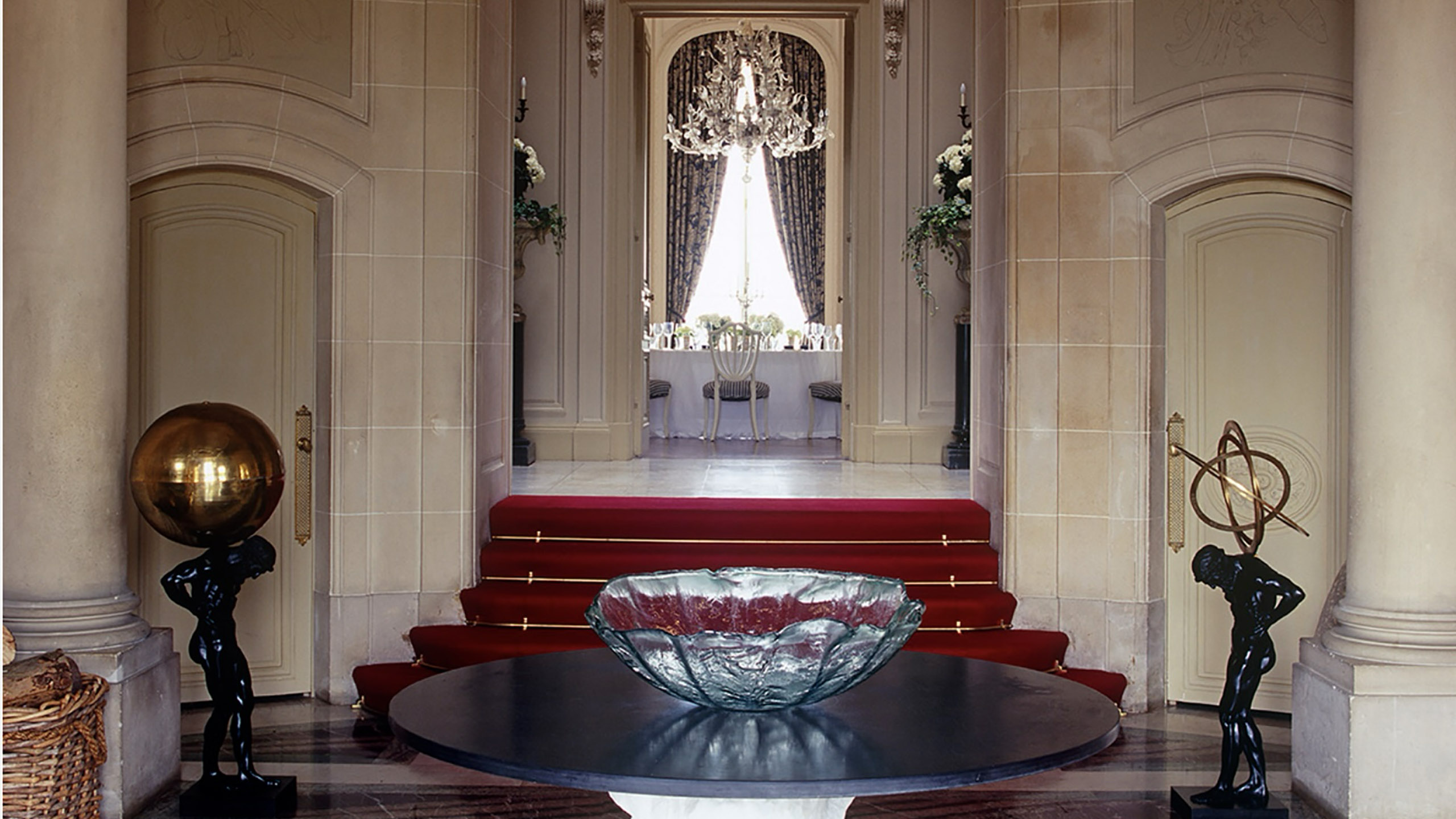
Every successful boutique hotel begins with a strong narrative reflected throughout its branding and interiors. That narrative becomes the foundation of lasting marketing, ensuring the hotel's brand identity stays relevant for years to come.
Most brands opt for a decorative theme, which will carry a site only so far. A robust boutique hotel interior design approach will start by understanding the building, its history, its setting and the demographic of the customer. These principles create a foundation for a genuine design story. A strong narrative allows the design to evolve naturally. Materials, layouts, lighting and furnishings become part of a coherent experience rather than a collection of themed features.
By avoiding clichés and trend-led concepts, hotels can create imaginative connections with guests and remain relevant long after design fashions have changed.
How to Design for Hotel Guest Experience
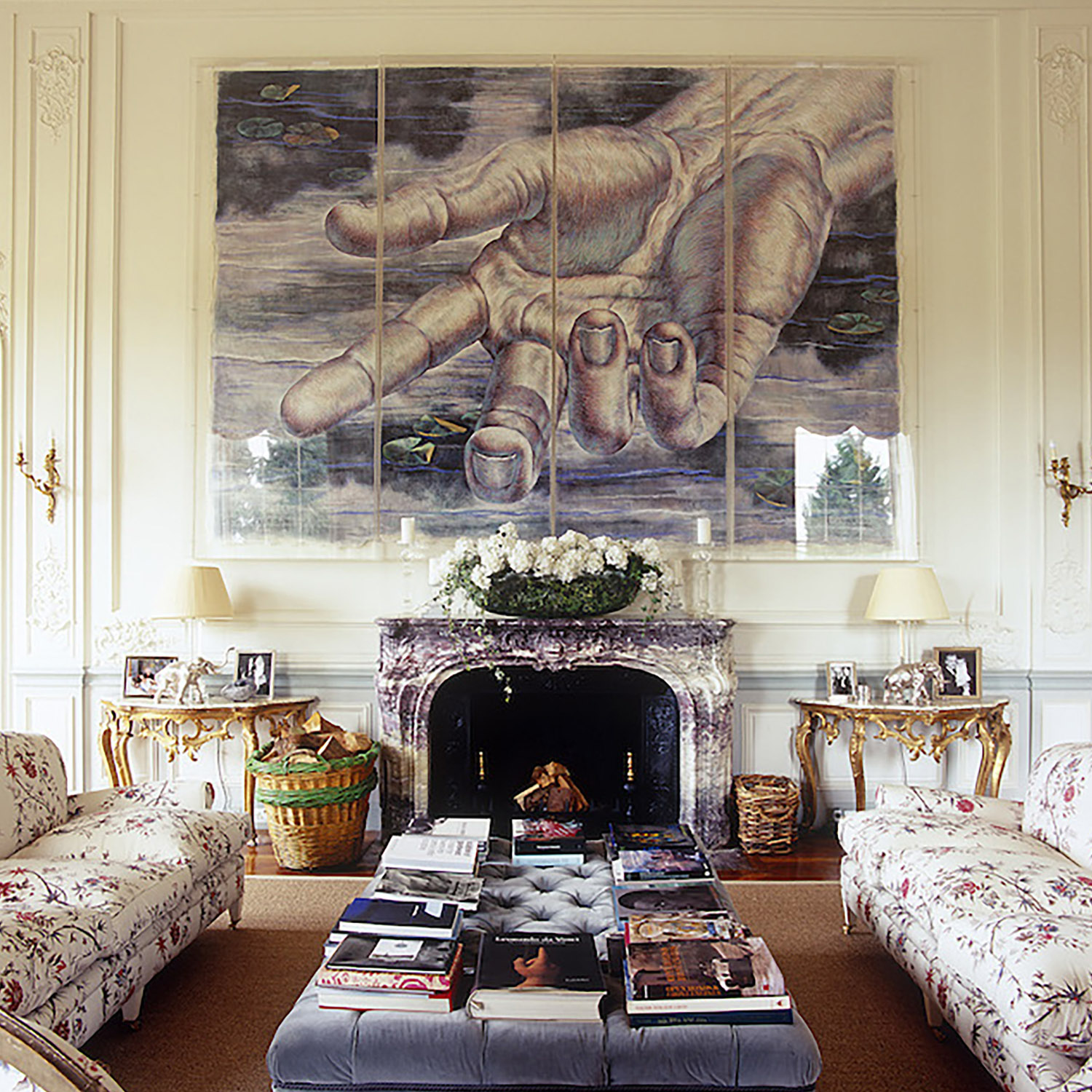
Exceptional hotel interior design is about more than appearance. It is about how people feel as they move through a space.
The guest experience begins long before someone enters their room. Arrival, reception, circulation routes and communal areas all contribute to first impressions and overall satisfaction.
Thoughtful planning considers comfort, flow and usability at every stage. Guests should instinctively navigate through spatial connection.
This approach to hotel guest experience places interior architecture at the centre of the design process. When layouts, lighting and spatial relationships work together seamlessly, guests experience subliminal comfort. The result is an environment that feels effortless, intuitive and memorable.
Using Individual Character in Hotel Interior Design
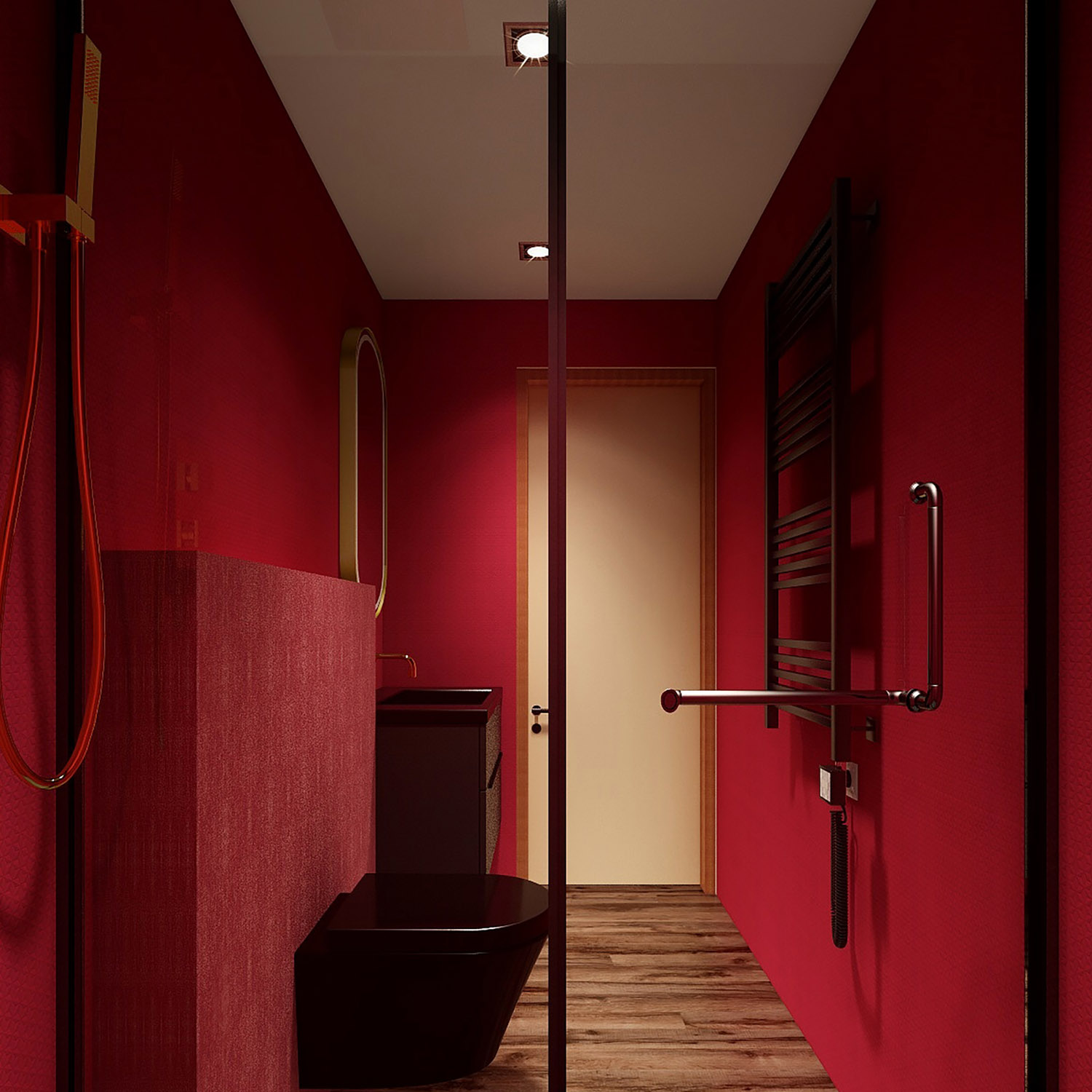
One of the most effective ways to create a unique hotel is to embrace identity.
Regional materials, local craftsmanship and references to the surrounding landscape or culture can create a genuine sense of place. These elements help guests connect with their destination while ensuring the hotel feels distinctive, authentic and rooted in its context, while also supporting sustainability goals through local sourcing and partnerships.
Thoughtful brand collaborations can further strengthen a hotel's identity. Whether showcasing makers, artists, fashion or complementary lifestyle brands, these partnerships create opportunities to enrich the guest experience while extending the hotel's reach beyond traditional booking platforms. They also provide a valuable platform for other brands to engage with a like-minded audience, creating mutually beneficial relationships that feel authentic rather than overtly commercial.
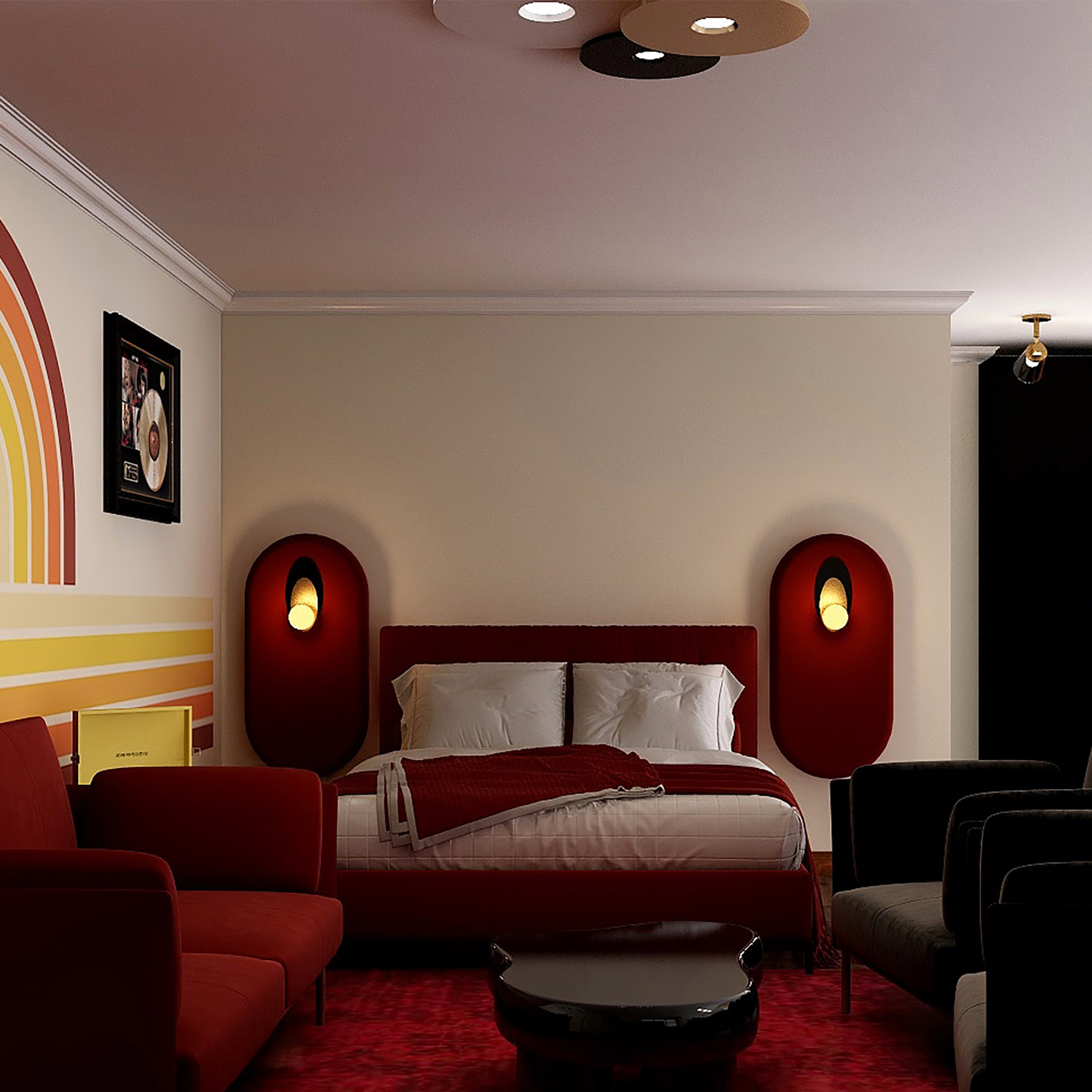
HomeToo Liverpool demonstrates how characterful architecture and contemporary bespoke hotel design can create a commercially successful aparthotel by drawing on brand connections to Liverpool's sporting, cultural and entertainment audiences.
Smart hospitality design also creates opportunities for meaningful brand collaborations, helping to extend a hotel's story beyond the guest stay and supporting long-term marketing narratives. When integrated thoughtfully, local character and strategic partnerships contribute to a stronger sense of place, helping hotels build recognition, attract new audiences and foster loyalty through genuine experiences rather than themes or trends.
Heritage and Contemporary Hotel Design
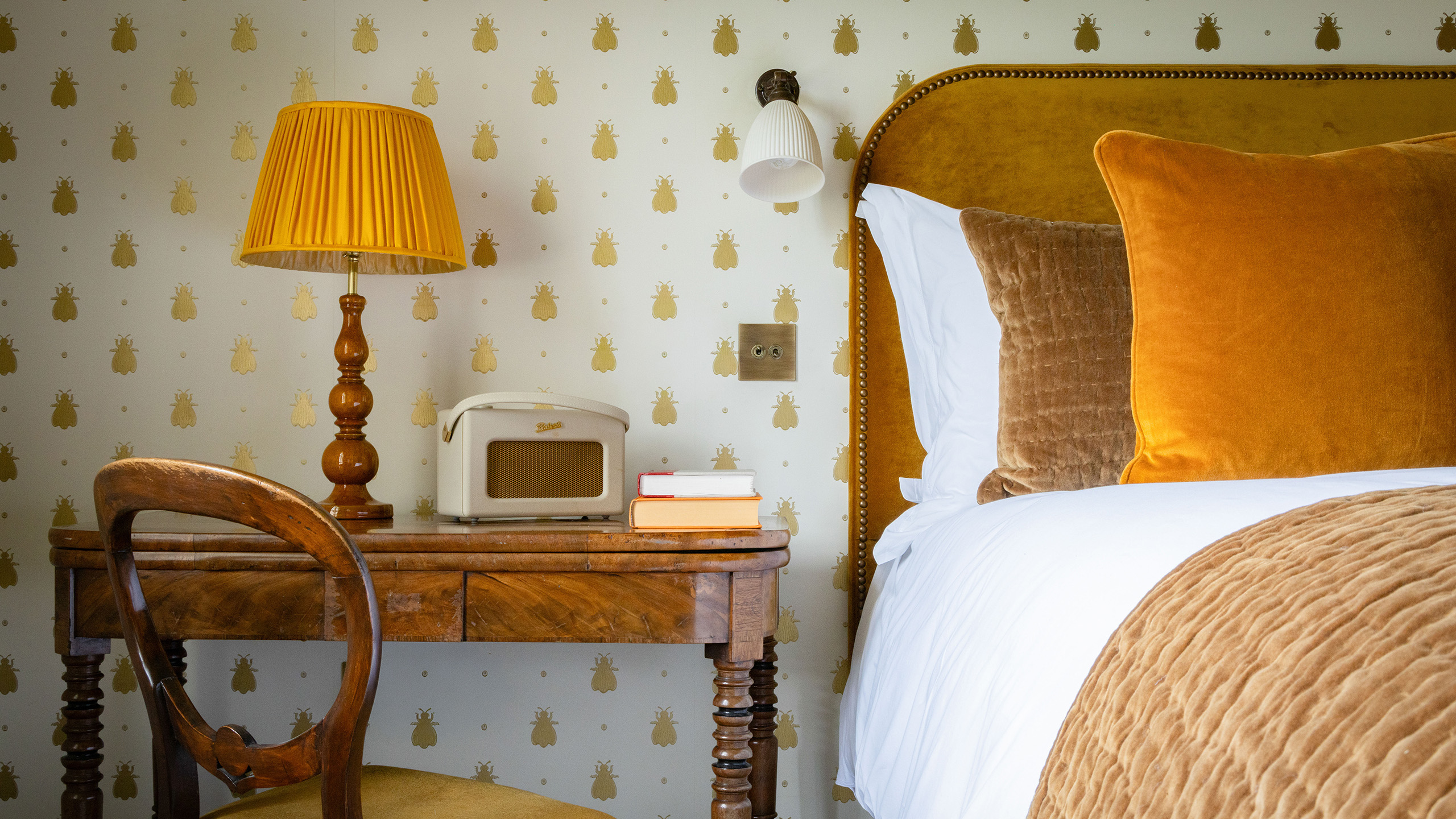
Many of the most successful boutique hotels combine heritage and contemporary design.
Historic architecture often provides character, scale and craftsmanship that cannot be replicated. Contemporary interventions then introduce comfort, functionality and relevance for today's guests.
This balance creates depth and authenticity. At Dumbleton Hall Hotel, careful design decisions respect the building's heritage while introducing modern hospitality design experiences that support guest expectations. The combination of vintage, bespoke and modern elements often results in spaces that feel collected over time rather than designed around a single concept.
Interior Detailing That Defines Hotel Identity
Guests rarely remember an entire design scheme or a terrific M&E strategy. Instead, they remember moments.
A beautifully lit corridor, a bespoke piece of joinery, carefully curated artwork or an unexpected material detail leave lasting impressions.
Lighting is particularly powerful in shaping atmosphere and defining character throughout a hotel. Equally, carefully selected materials add texture, warmth and authenticity.
Bespoke furniture and joinery can strengthen a hotel's identity while improving functionality. Artwork and decorative elements become most effective when they support the overall narrative.
These details create memorable experiences and guest-generated social content that promotes the property long after their stay.
Successful Boutique Hotel Design
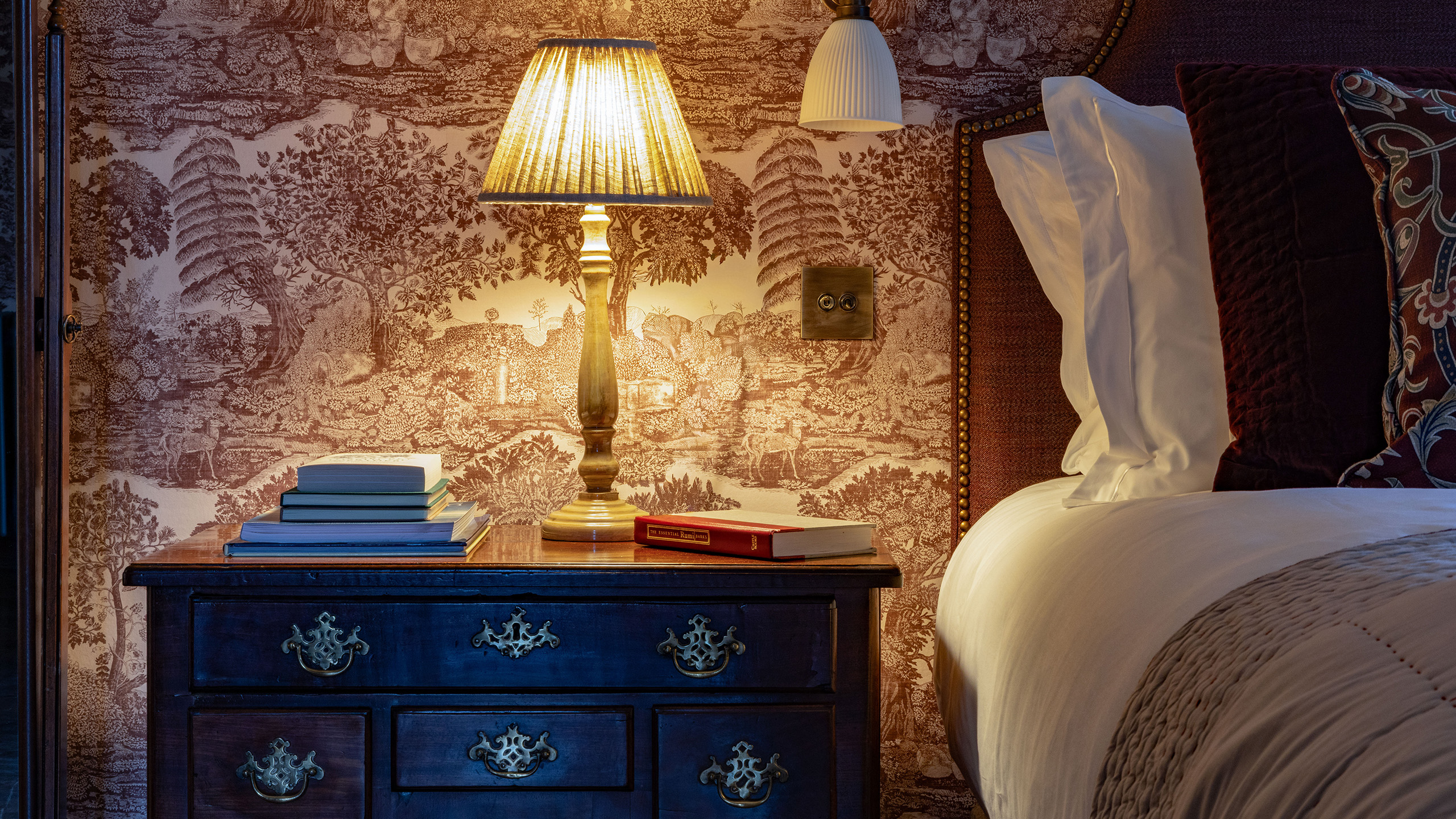
The most successful examples of boutique hotel interior design celebrate local character, balancing heritage with contemporary design and focusing on how guests interact with a space. Hotels that invest in a considered design approach create environments that feel distinctive, authentic and commercially successful.
At WOOLF, our approach to hospitality interior design is rooted in thoughtful interior architecture, sustainable design principles and creating memorable experiences that support long-term business success.
Working on a hospitality project? Get in touch with the WOOLF team. woolfinterior.com