
Heritage Hotel Design: Why Historic Buildings Make Great Hotels
Why Historic Buildings Make Exceptional Hotels
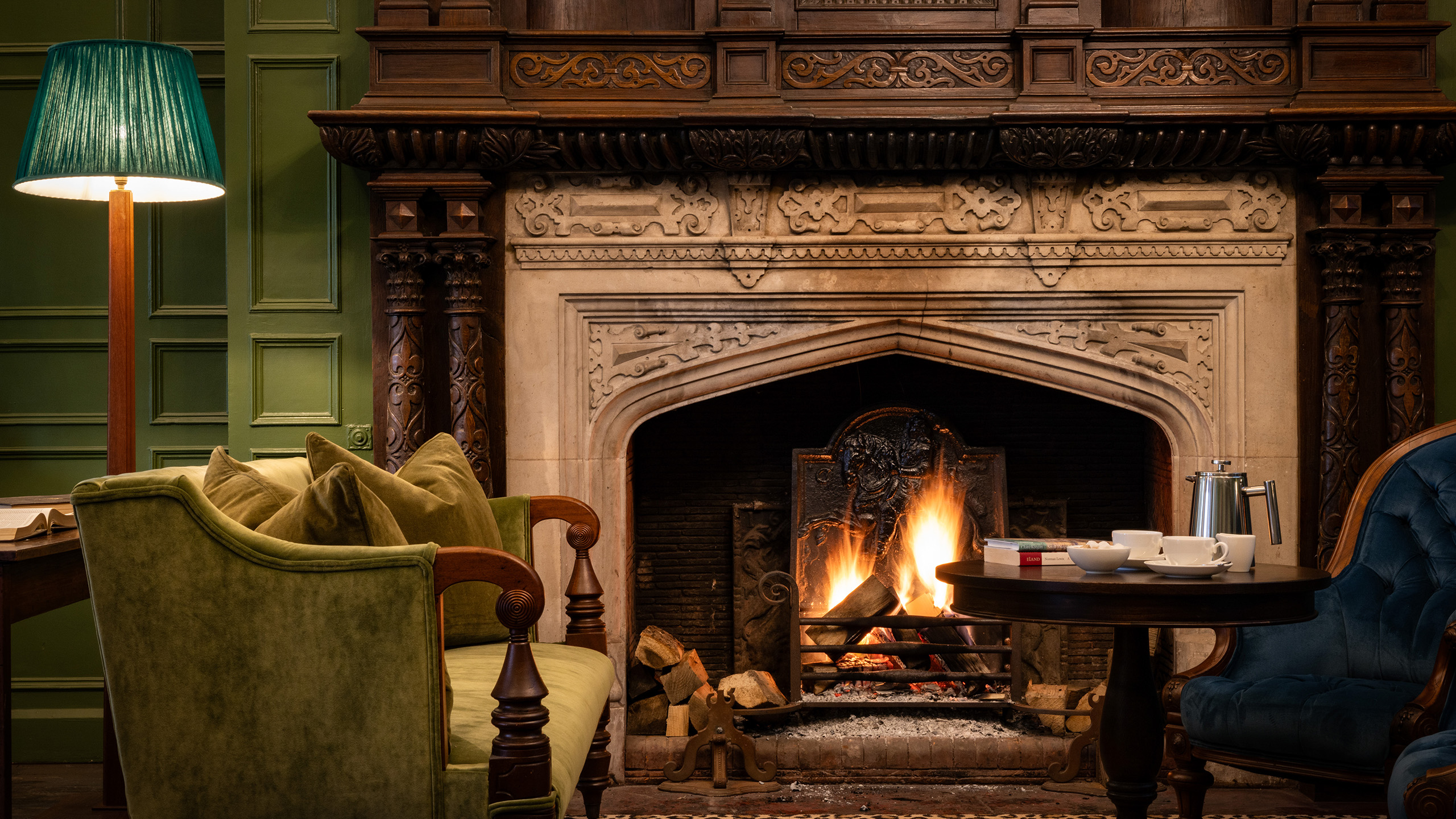
Many of the world's most memorable hotels began life as something entirely different.
Grand country houses, former banks, warehouses, manor houses and civic buildings all possess something that modern developments struggle to replicate: authenticity. Their architecture has evolved over decades, sometimes centuries, accumulating craftsmanship, character and stories that immediately give guests a sense of place.
As travellers increasingly seek meaningful experiences rather than simply somewhere to sleep, heritage hotel design has become one of hospitality's greatest commercial opportunities. When historic buildings are thoughtfully adapted, they create destinations that feel distinctive, memorable and emotionally engaging while delivering long-term commercial value.
History Creates Instant Character
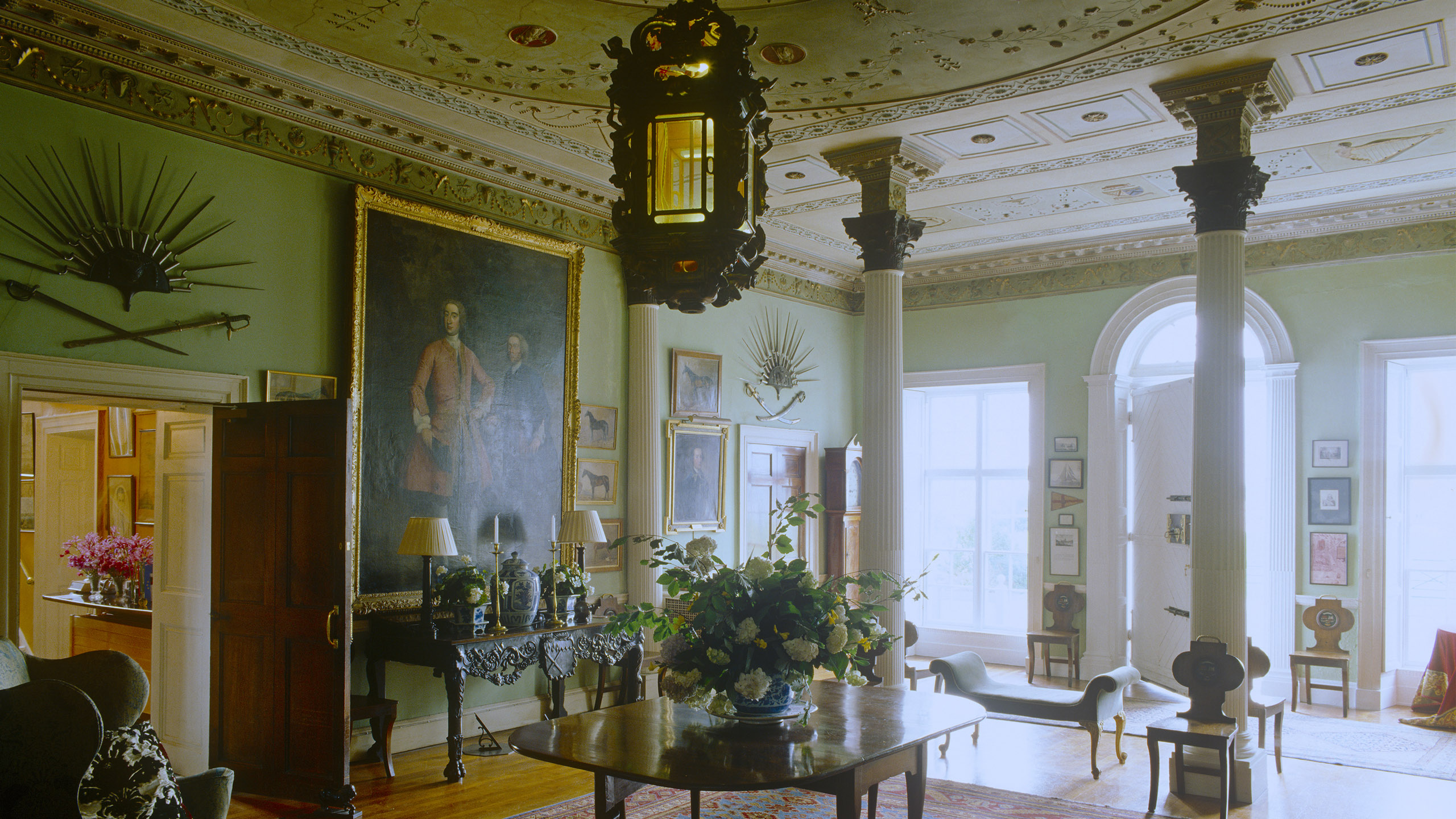
Historic architecture offers an irreplaceable foundation for exceptional hotel interior design.
Original stonework, ornate plaster ceilings, timber beams, generous proportions and handcrafted detailing provide a richness that cannot be manufactured. Rather than competing with these features, successful design works with them, allowing the building itself to become part of the guest experience.
Every listed building already possesses a unique identity. Sensitive restoration allows that identity to remain visible while introducing contemporary comfort, operational efficiency and modern hospitality standards.
At WOOLF, our work on Oceanic House demonstrates how adaptive reuse can transform an important historic building into a contemporary hospitality destination without losing the architectural qualities that make it special. Likewise, our vision for Dumbleton Hall Hotel celebrates the building's remarkable heritage while creating a luxury experience that feels relevant to today's traveller.
The result is architecture that becomes a commercial asset rather than simply a backdrop.
Guests Want Experiences, Not Just Accommodation
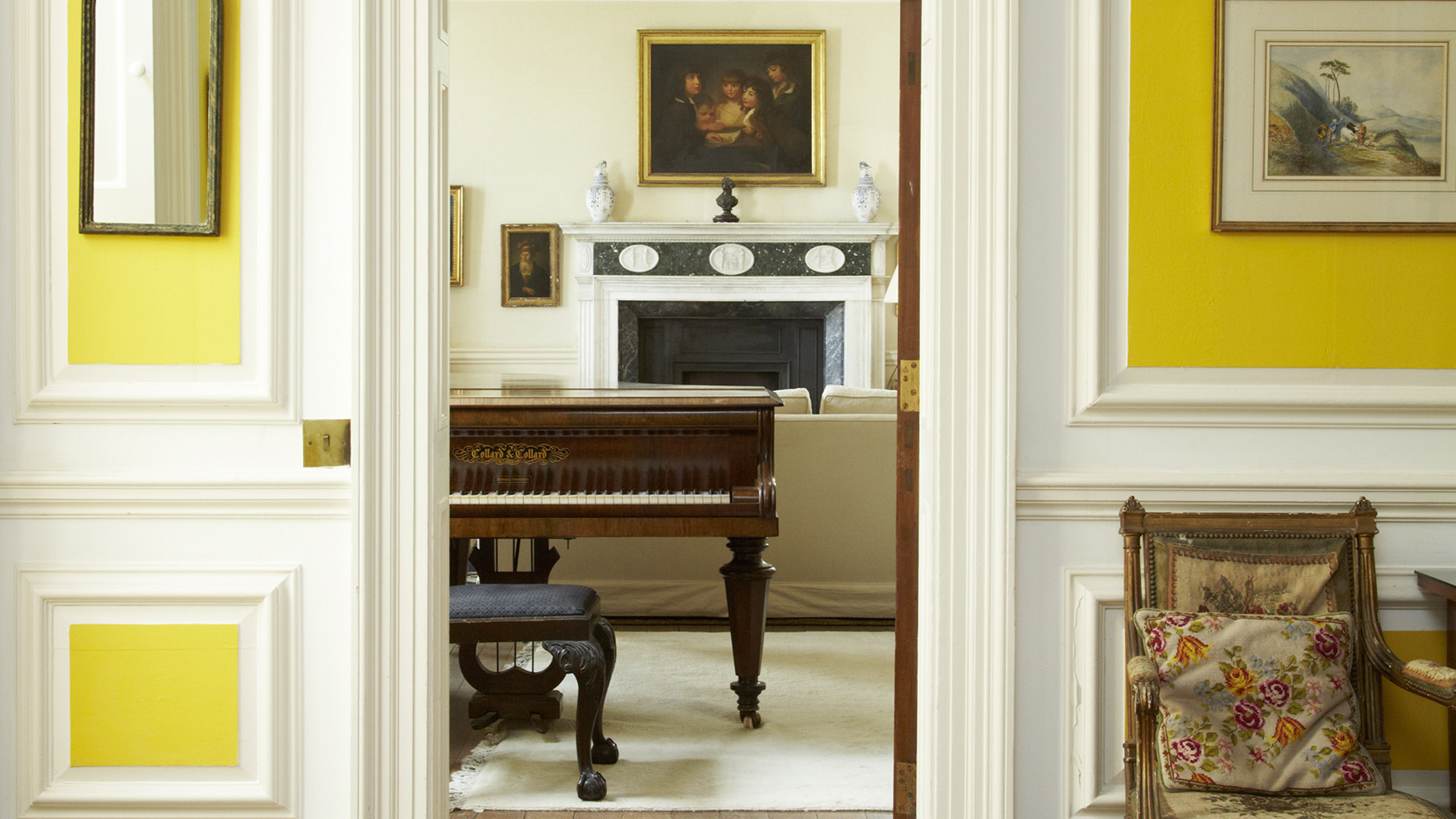
Today's guests increasingly choose destinations that offer a genuine connection to place.
Rather than anonymous hotel rooms that could exist anywhere in the world, travellers are drawn to buildings that tell authentic stories through architecture, craftsmanship and carefully curated interiors.
Successful boutique hotel design uses these stories to create emotional engagement. Materials, artwork, bespoke furniture and local craftsmanship reinforce the building's history while providing guests with memorable experiences that naturally encourage recommendations, return visits and social sharing.
In an increasingly competitive hospitality market, authenticity has become one of the strongest differentiators a hotel can offer.
The Opportunity for Aparthotels
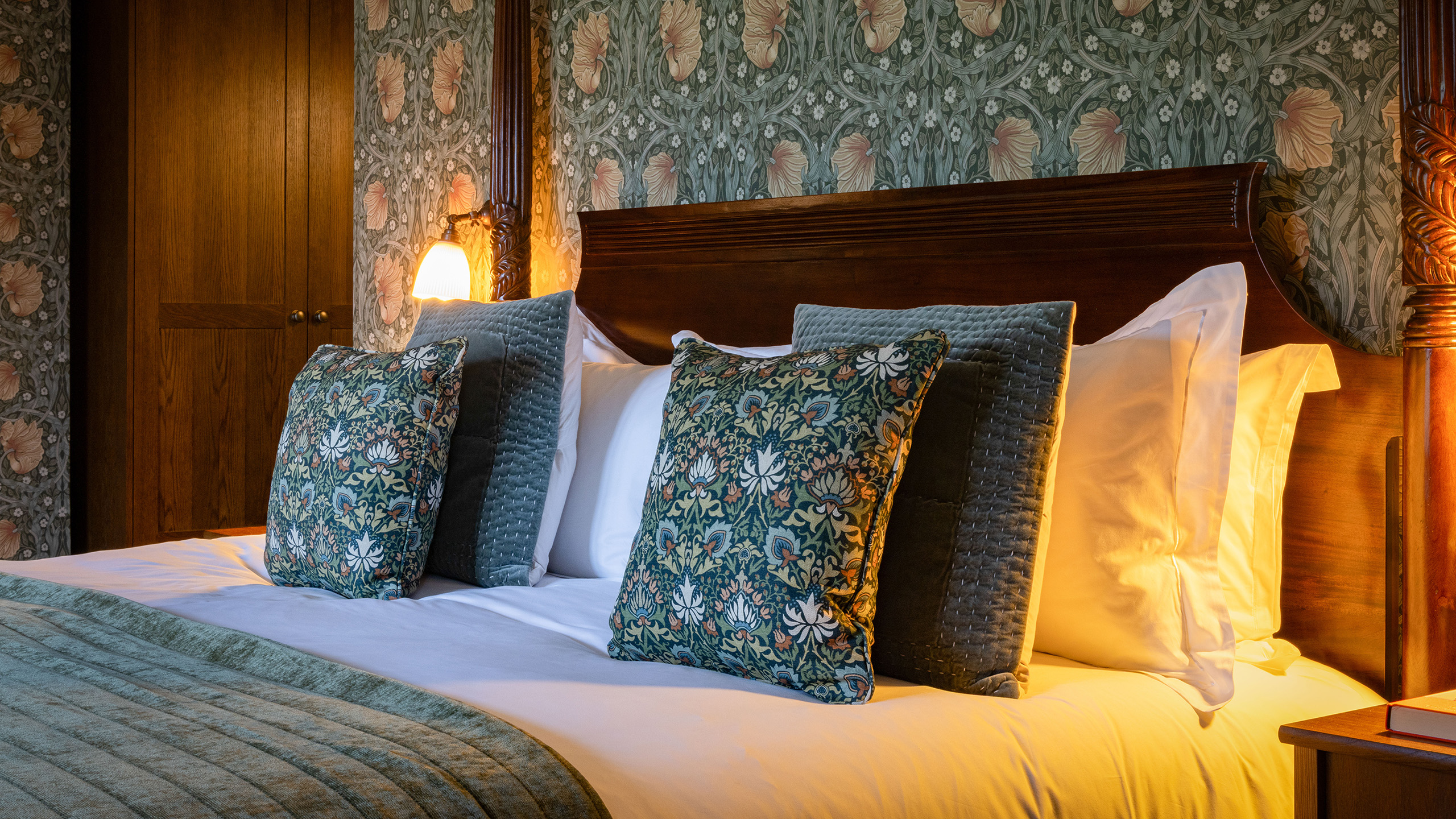
The same principles apply to the growing aparthotel design sector.
Longer stays require interiors that feel less like conventional hotel rooms and more like beautifully designed homes. Historic buildings are particularly well suited to this model, with generous room sizes, distinctive architectural features and varied layouts that create individuality across every suite.
Adaptive reuse also enables operators to offer residential comfort alongside premium hospitality services, appealing to business travellers, extended stays and leisure guests seeking flexibility without sacrificing quality.
By combining heritage architecture with contemporary living, aparthotels can occupy a valuable position between luxury residential design and boutique hospitality.
Balancing Preservation with Commercial Success
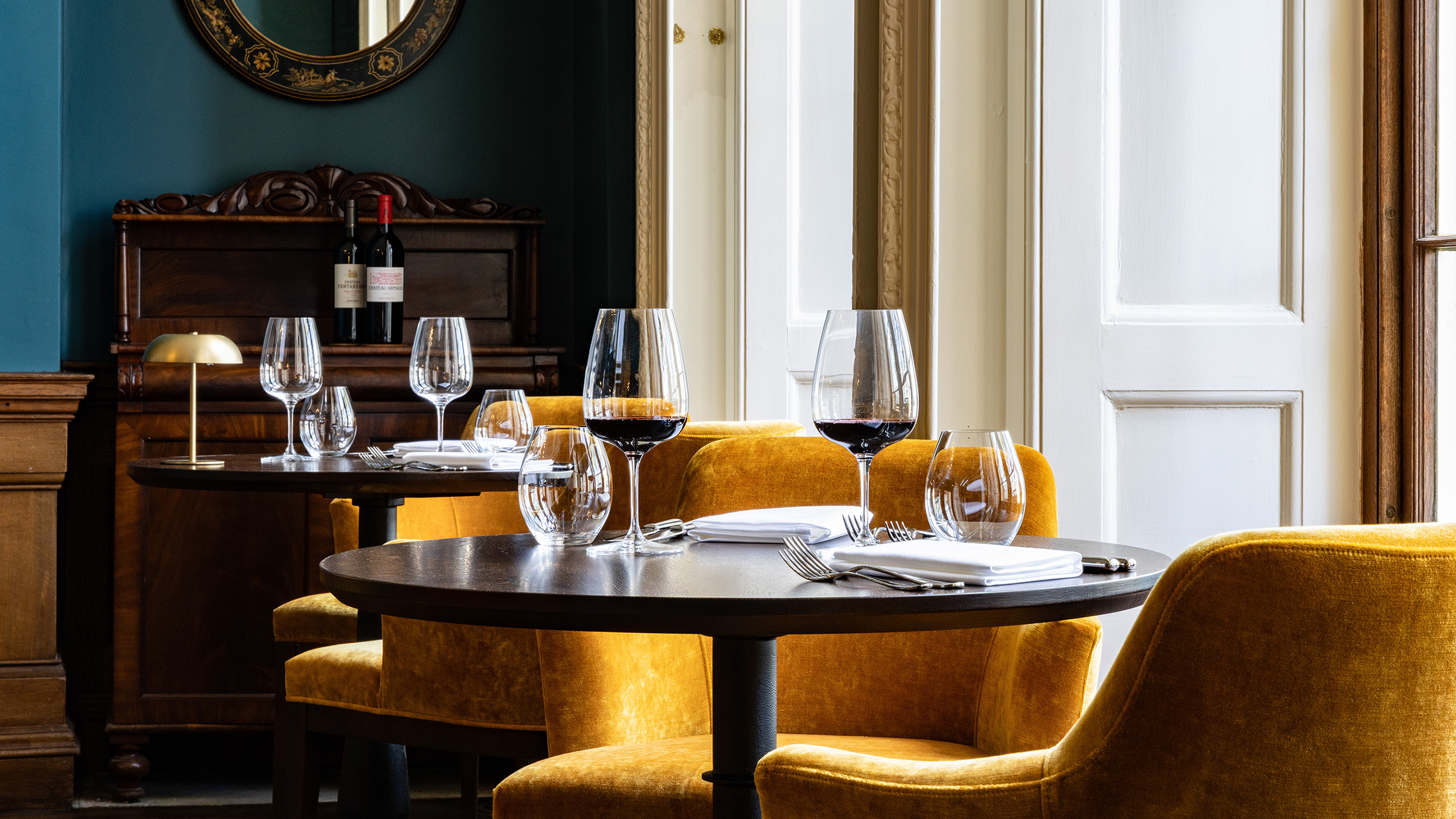
Transforming historic buildings into commercially successful hotels requires far more than careful restoration.
Modern hospitality demands accessibility, sustainability, efficient servicing, flexible operational planning and seamless guest journeys, all while respecting the building's architectural significance.
Thoughtful interior architecture ensures that contemporary interventions feel natural rather than imposed. Carefully integrated technology, discreet environmental upgrades and sensitive spatial planning allow heritage properties to perform to modern operational standards without compromising their character.
When approached strategically, preservation and commercial performance strengthen one another rather than compete.
Why Heritage Hospitality Has a Strong Future
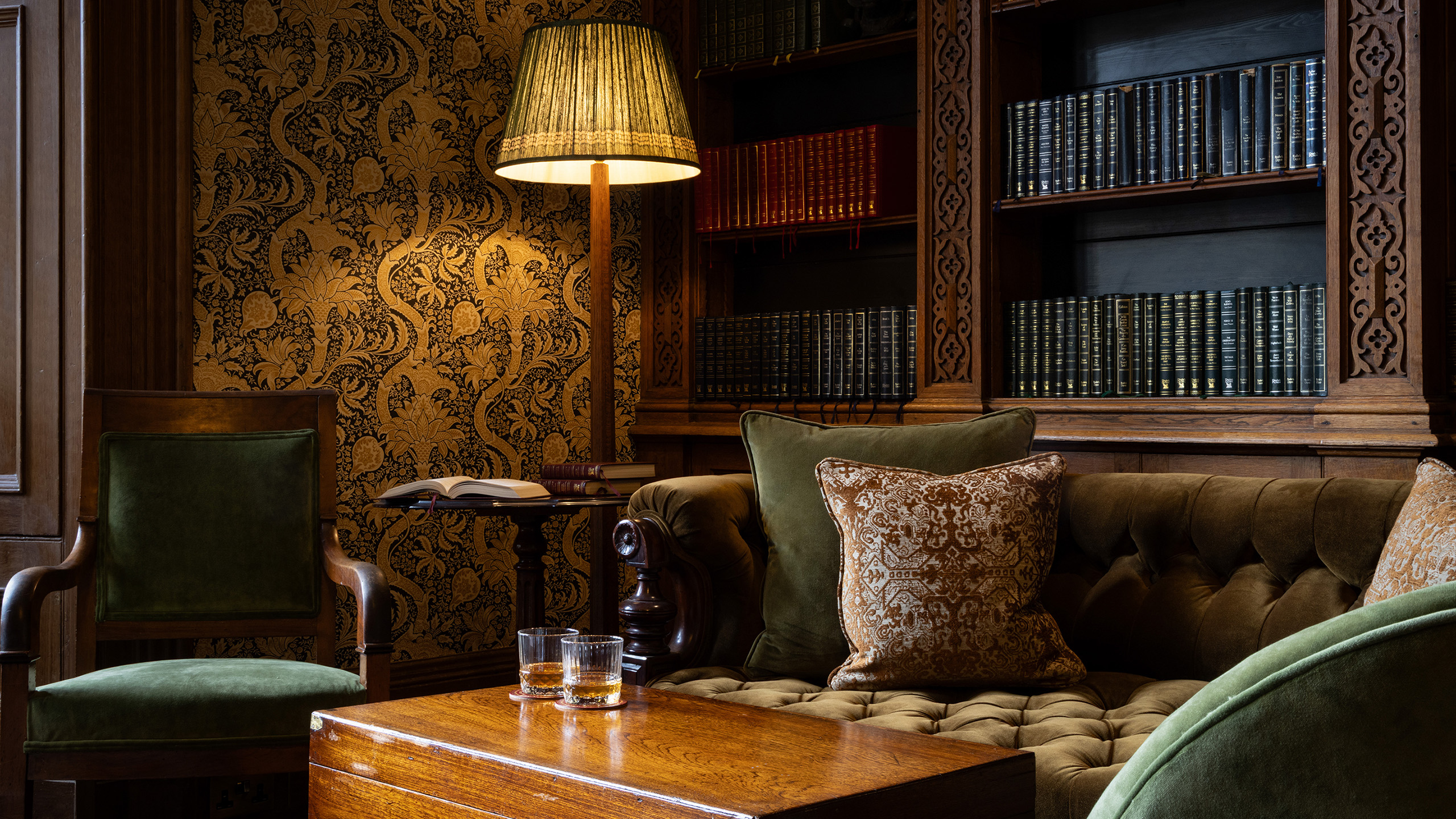
Across the UK, adaptive reuse continues to drive some of the most exciting hospitality developments.
Repurposing existing buildings supports sustainability by extending the life of historic structures while reducing the environmental impact associated with demolition and new construction. At the same time, heritage properties provide hotel operators with an increasingly valuable point of market differentiation.
As travellers continue to prioritise authenticity, craftsmanship and memorable experiences, demand for distinctive heritage-led hospitality will only grow.
For developers, investors and operators, historic buildings represent an opportunity to create destinations with enduring commercial appeal rather than short-term novelty.
Conclusion
Historic buildings possess something every successful hotel seeks: authenticity.
The most compelling hospitality destinations are not museums frozen in time, nor are they stripped of their history. Instead, they balance preservation with innovation, allowing architecture, craftsmanship and contemporary design to work together.
At WOOLF, we believe exceptional hotel interior design begins by understanding the story already embedded within a building. Through thoughtful adaptive reuse, sensitive restoration and commercially focused design, historic properties can become extraordinary boutique hotels and aparthotels that continue creating memorable experiences for generations to come.
Discover more at woolfinterior.com