
The Role of Historic Preservation in Modern Interior Architecture
WOOLF'S GREEN CREDENTIALS
In the dynamic realm of modern architecture, historic preservation serves as a vital conduit connecting our cultural heritage with contemporary and future innovations. WOOLF Interior Architecture & Design's Green Plan Approach is a continuously improving recipe, where we explore how historic preservation can coexist with sustainable development, creating interior spaces that respect the past while fostering a more resilient future.
CULTURAL AND HISTORICAL SIGNIFICANCE
Historic preservation is not merely about saving old buildings; it is about maintaining a community's cultural and historical identity. These structures are tangible links to our past, embodying the stories, values, and craftsmanship of earlier generations.
Our projects are in heritage regions of the UK such as the City of Bath, Bristol, West London and the Cotswolds. WOOLF recognises the intrinsic value these buildings hold, where functional spaces resonate for both current and future generations. This approach ensures that the cultural and historical essence of a place continues to enrich the community’s identity.
AESTHETIC AND ECONOMIC ENHANCEMENT

Georgian Townhouse, Kensington London
Architecturally, historic buildings often feature intricate interior details and craftsmanship that are rare in contemporary construction. Preserving these aesthetic qualities not only enhances the visual diversity of environments but also elevates the overall character of a city.
WOOLF Interior Architecture & Design's adaptive Green Credentials, aim to blend historical elements with modern design, creating unique, visually striking spaces that appeal to residents and visitors.
Economically, historic preservation can act as a powerful catalyst for revitalisation. Restored historic districts frequently experience increased real-estate values and attract new businesses and tourism. WOOLF's boutique hotel projects and our apartment hotel projects illustrate this economic uplift, where new hotel ventures support local businesses and contribute to sustainable community growth.
ENVIRONMENTAL AND SUSTAINABLE BENEFITS
Sustainability is at the core of WOOLF's Green Credentials. Historic preservation aligns naturally with sustainable practices by minimising the need for new materials and reducing construction waste, thereby lowering carbon footprints.
The concept of embodied energy—the total energy used in the construction and material production of existing buildings—is preserved when these structures are reused. We leverage this principle, advocating for the adaptive reuse of historic buildings over new construction whenever feasible.
Many historic structures were originally designed with energy-efficient features such as thick walls for insulation and strategic placements for natural ventilation and daylighting. The interior design team enhances these passive design elements with modern energy-efficient technologies, ensuring restored buildings perform well in today’s environmental context.
NAVIGATING LISTED INTERIOR CHALLENGES
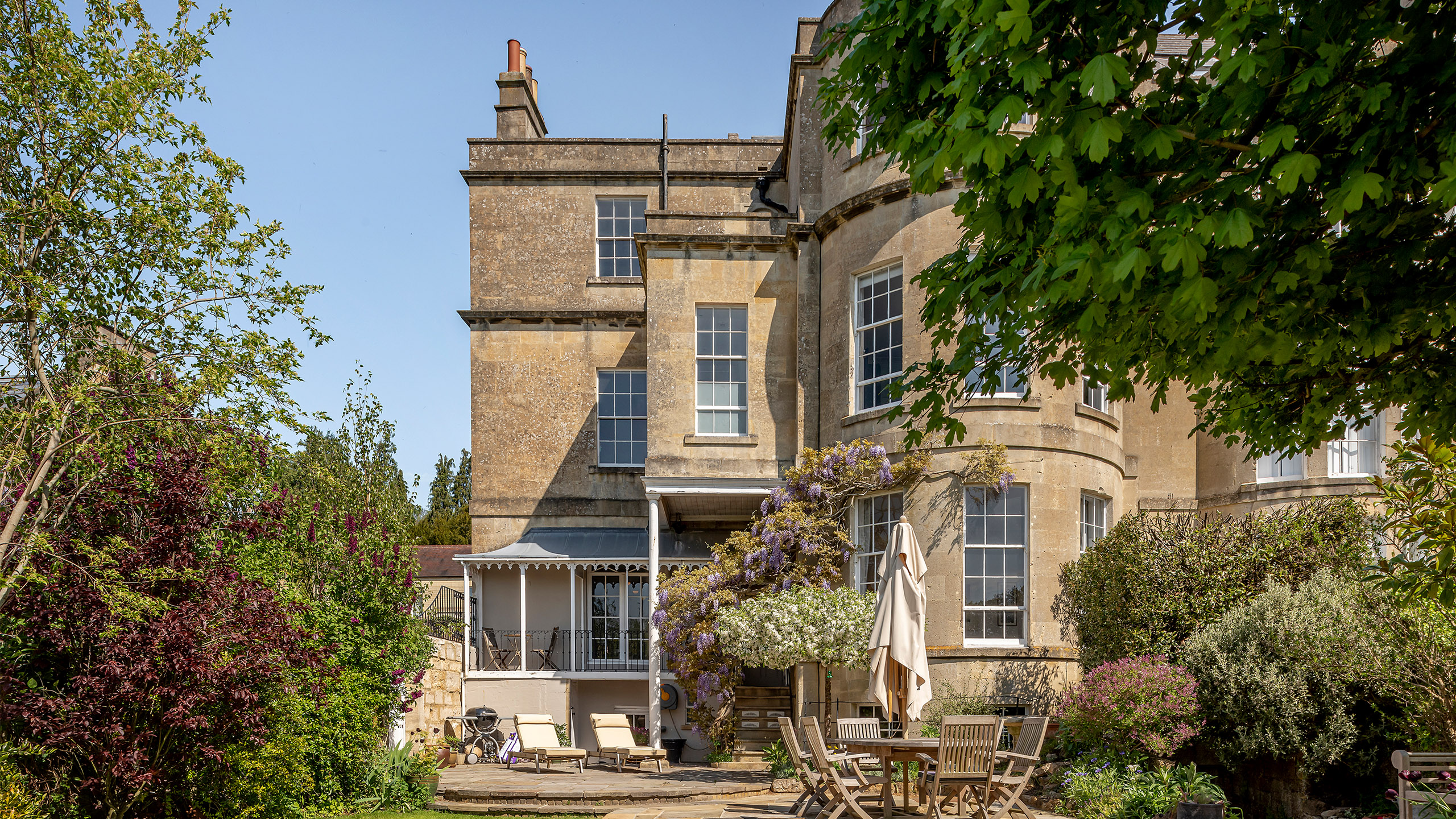
Classic Georgian Townhouse, Sion Hill Bath
Preserving historic buildings while updating them to meet contemporary needs can be complex. It requires a delicate balance to maintain historical integrity while ensuring modern safety, accessibility, and functionality standards.
WOOLF's interior architecture provides our clients with a template for navigating these challenges through innovative solutions like reversible construction methods and sensitive integration of lighting, heating and cooling systems.
This approach allows buildings to evolve and adapt without losing their historical essence. As a studio we blend and respect the historical legacy with innovative, sustainable design, ensuring that every project honours the past while preparing for a greener future.
COMMUNITY ENGAGEMENT AND PARTICIPATORY PLANNING
Effective historic preservation is deeply rooted in community involvement. Understanding the cultural significance of historic sites necessitates engaging with clients and stakeholders.
WOOLF emphasises this collaborative approach, ensuring that preservation efforts are aligned with the values and needs of the people who live or work in these spaces.
In modern interior architecture and planning, historic preservation is a crucial strategy for maintaining cultural continuity, enhancing urban aesthetics, promoting economic vitality, and supporting the continuation of our cultural past. WOOLF's Green credentials continue to explore how historic preservation can be seamlessly integrated with contemporary design and our common sustainability goals.