Timeless Interior Design: Materials and Interior Decoration
Material vs Decoration: What Creates a Lasting Interior?
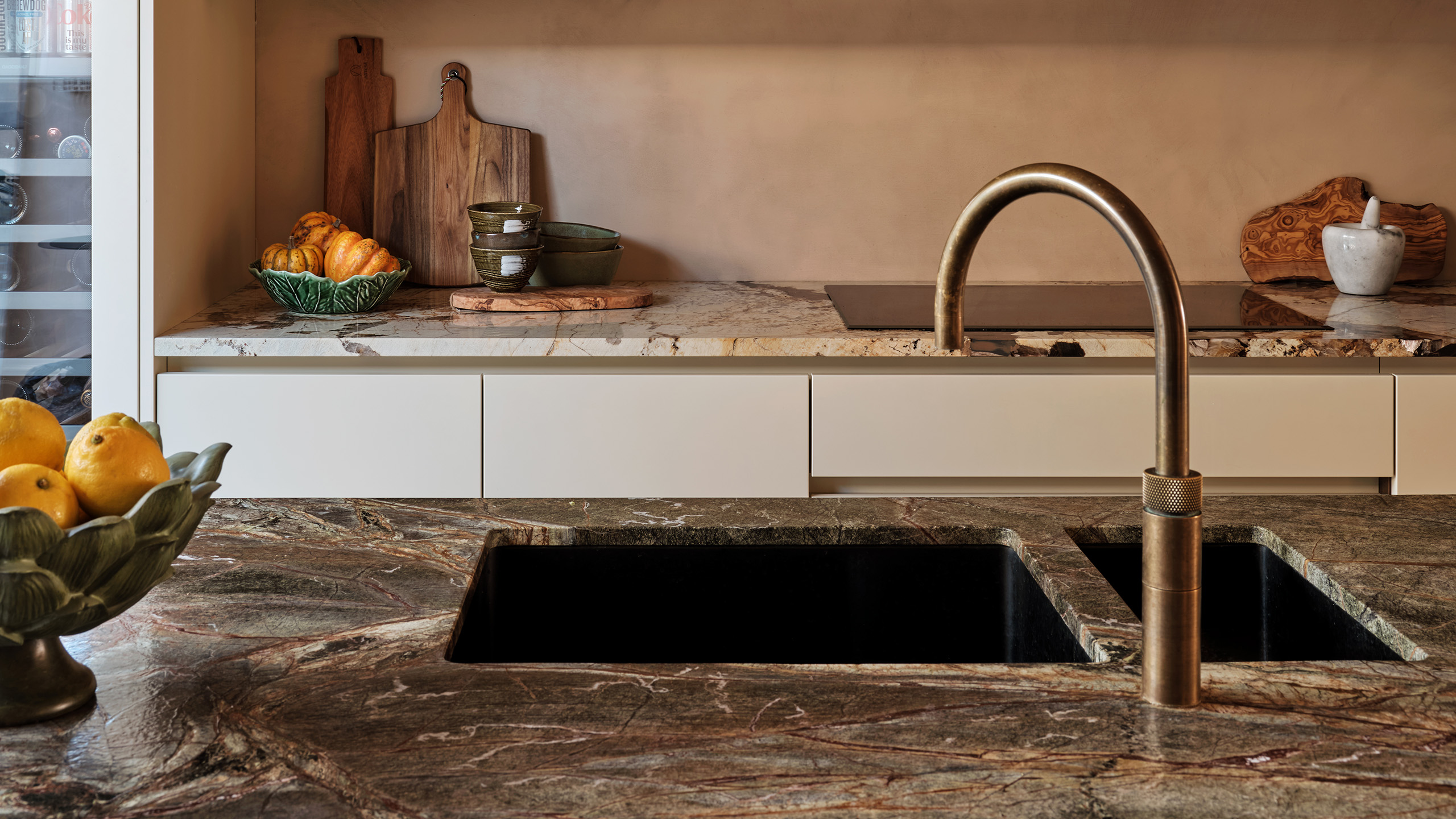
Luxury interiors often make an immediate impression. The very best, however, offer something more enduring—they become richer with time, revealing new qualities through use, light, and the natural ageing of carefully selected materials.
At WOOLF, we believe that timeless interior design is shaped long before cushions, artwork, or accessories are introduced. While decoration brings personality and can evolve over time, it is the architectural framework, interior materials, craftsmanship, and detailing that determine how a space will perform for decades.
Whether restoring a listed Georgian townhouse, designing a contemporary family home, or creating a boutique hotel, our design decisions begin with materiality.
Understanding the Difference Between Materials & Decoration
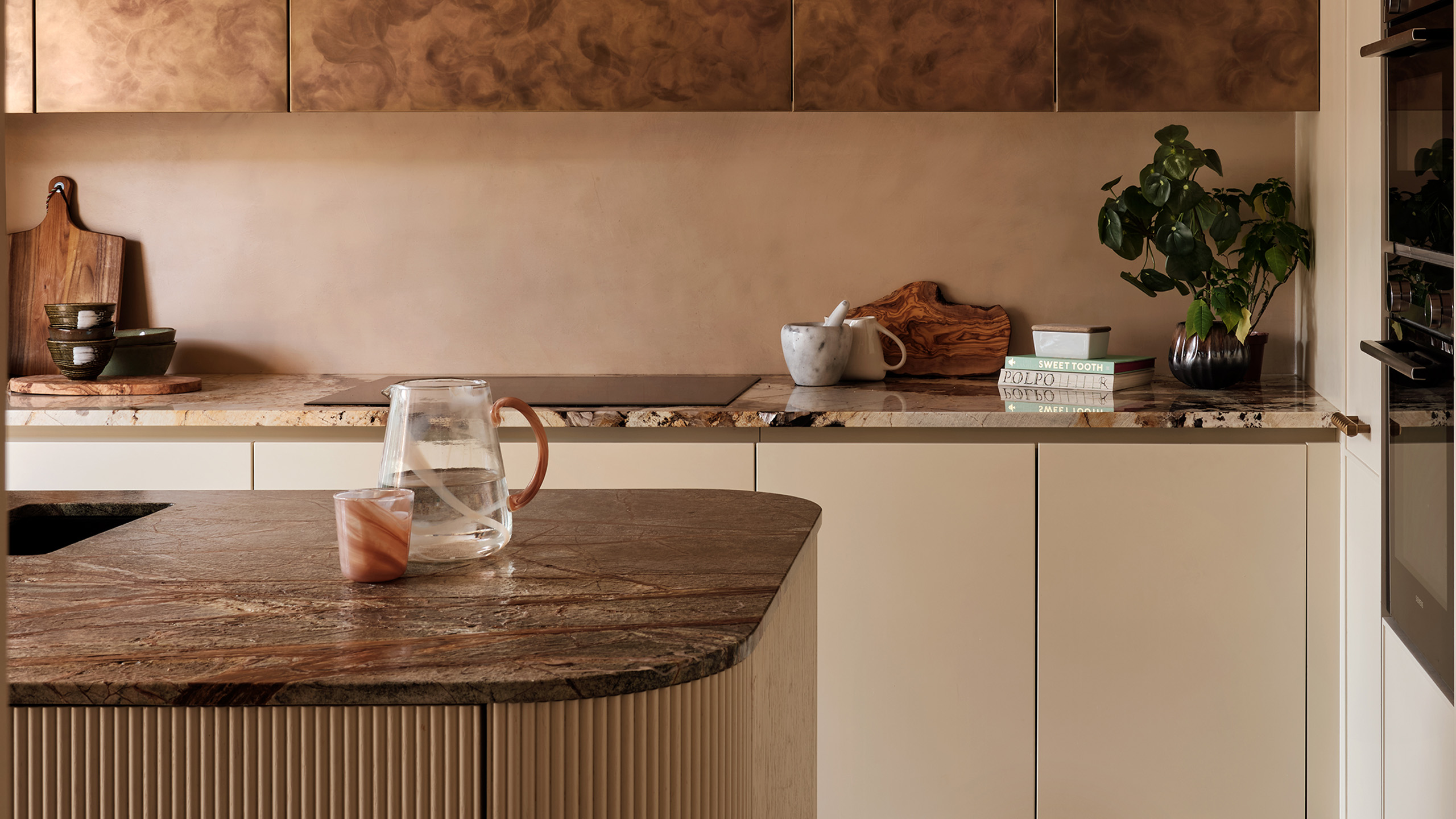
Decoration is often the most visible layer of an interior. Colours, fabrics, and styling create atmosphere and can transform a room quickly. Yet these elements are designed to change as lifestyles and preferences evolve—often within seasons or years.
Materials, by contrast, form the permanent character of a space. They influence how light is reflected, how sound travels, how a room feels underfoot, and fundamentally how it matures over time.
Natural stone, solid timber, lime plaster, and hand-finished metals each possess depth, texture, and authenticity. These choices become part of the architecture itself, creating spaces that feel grounded and timeless.
This distinction lies at the heart of every WOOLF project. We design interiors that remain relevant because their foundations are built upon thoughtful material selection.
Why Interior Materials Matter More Over Time
One of the greatest qualities of natural materials is that they improve with age.
Timber develops warmth and richness through use. Bronze acquires a subtle patina that tells stories of how the space has been inhabited. Limestone softens with time while retaining its integrity. Rather than deteriorating, these materials reveal character and authenticity impossible to replicate.
The Case for Durability
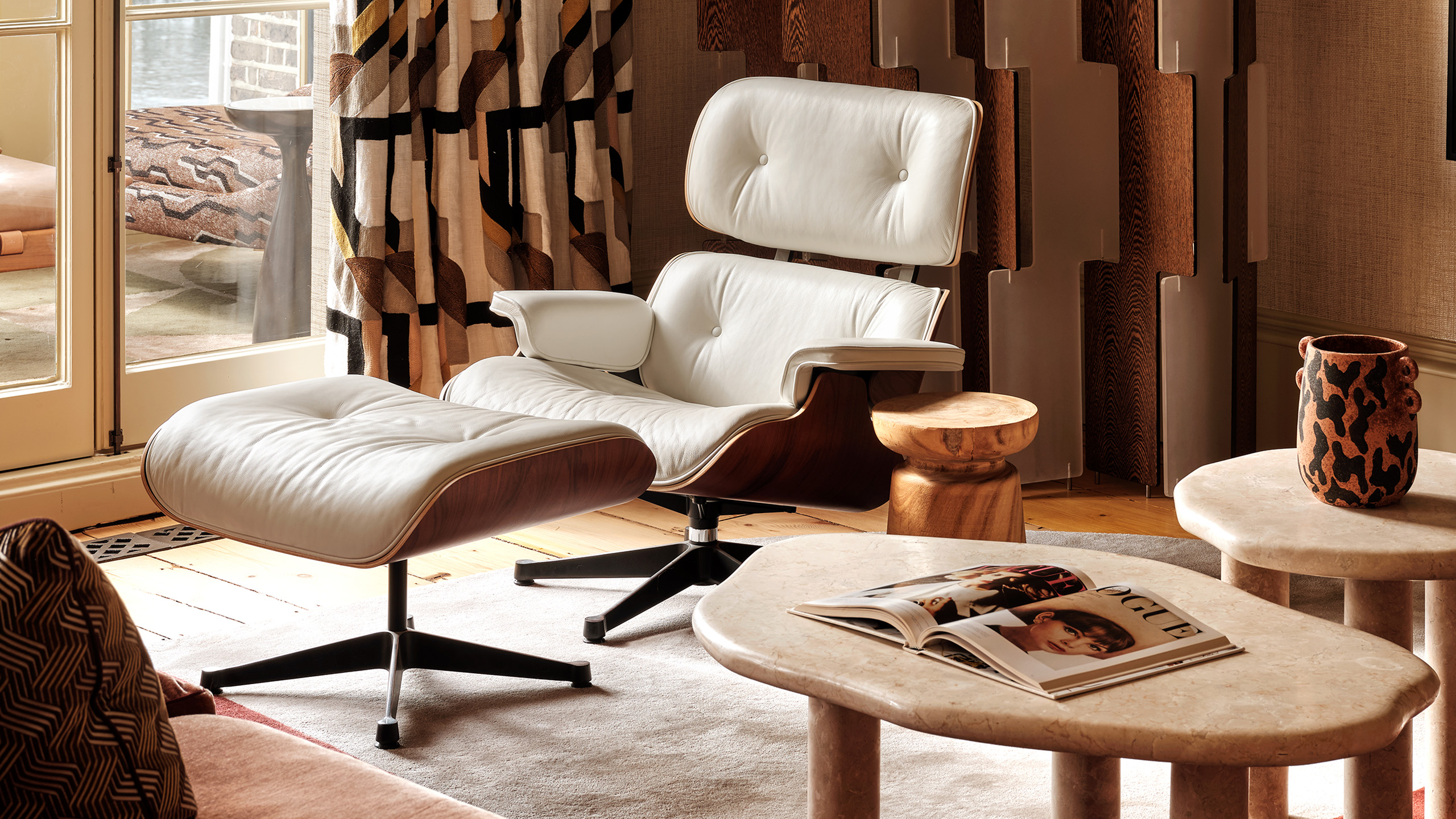
This longevity creates both emotional and practical value:
Emotional Value: Natural materials create deeper connections to our homes. A timber floor worn smooth by decades of footsteps, or stone that's been polished by time, becomes part of the home's story.
Practical Value: Durable materials require fewer replacements, reduce long-term costs, and age gracefully while becoming more beautiful.
Environmental Value: By designing for longevity, we reduce waste and environmental impact—a material that lasts 40 years has dramatically lower environmental impact than one replaced every 5 years.
Our Hammersmith Riverside Villa project demonstrates this philosophy. Carefully restored architectural features sit comfortably alongside contemporary interventions, allowing original craftsmanship and new elements to coexist naturally. The result feels neither overly historic nor conspicuously modern—it simply feels authentic.
Designing with longevity in mind allows clients to invest once rather than repeatedly replacing finishes driven by changing fashions.
Bespoke Craftsmanship Creates Lasting Character
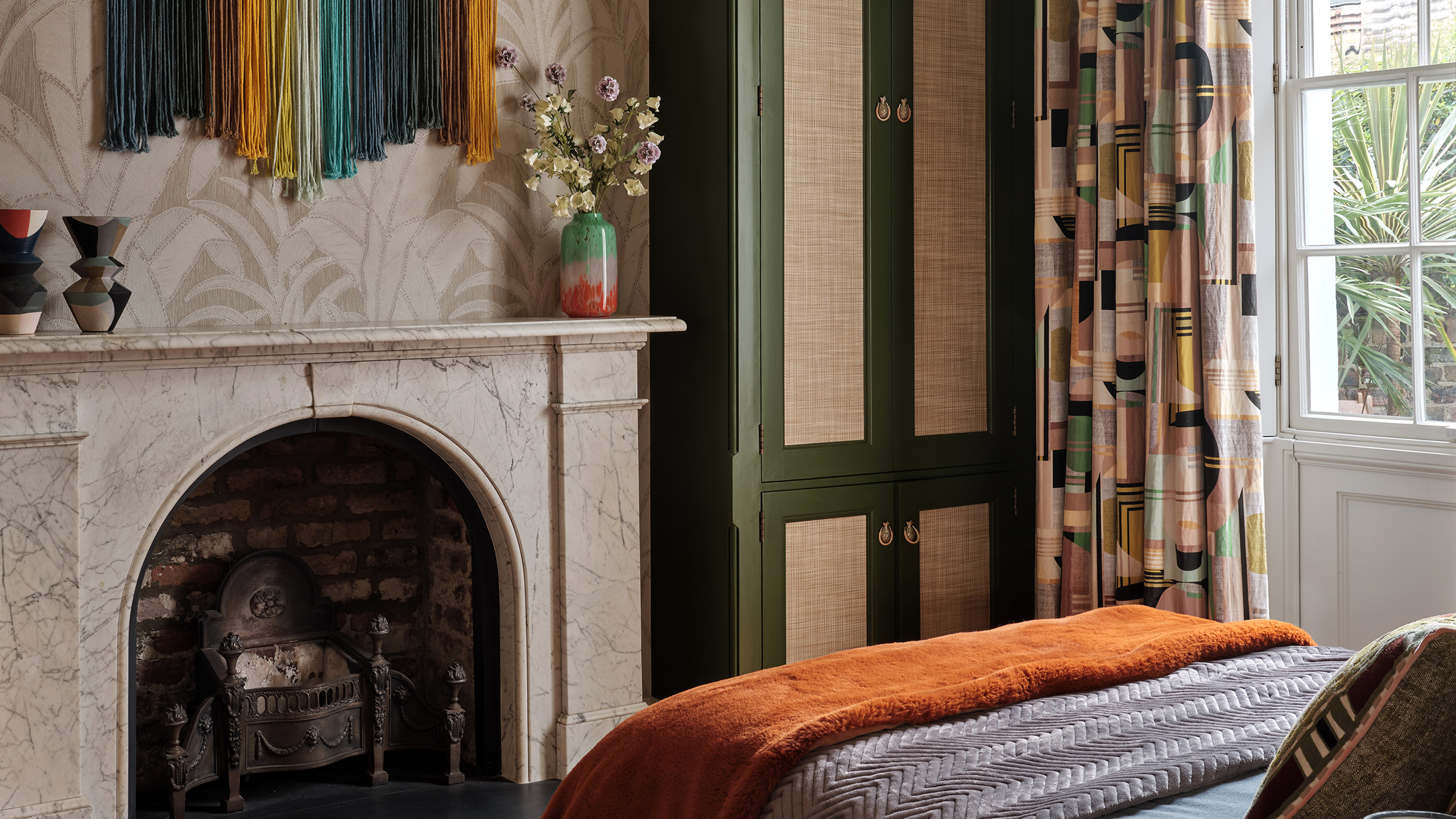
Exceptional interiors rarely emerge from standard solutions.
At WOOLF, we work closely with specialist joiners, metalworkers, upholsterers, and heritage craftspeople to create details that cannot be found off the shelf. This bespoke craftsmanship enables every element to respond precisely to the architecture and the way our clients live.
Examples of Crafted Elements
• Hand-crafted joinery: Custom cabinetry that fits perfectly within period properties, creating seamless integration impossible with off-the-shelf solutions
• Bespoke metalwork: Bronze railings, door hardware, or lighting fixtures designed specifically for the space
• Custom upholstery: Fabrics and construction tailored to the room's character and use patterns
• Decorative artistry: Hand-finished plaster, painted details, or specialist finishes
A hand-crafted staircase, beautifully detailed joinery, or custom bronze ironmongery carries a level of refinement and permanence that mass-produced alternatives simply cannot achieve.
This collaborative approach is particularly important within listed buildings, where contemporary interventions must respect historic fabric while supporting modern living. Craftsmanship is not about extravagance—it's about precision, authenticity, and creating details that continue to reward attention long after installation.
How Tactility Shapes the Interior Experience
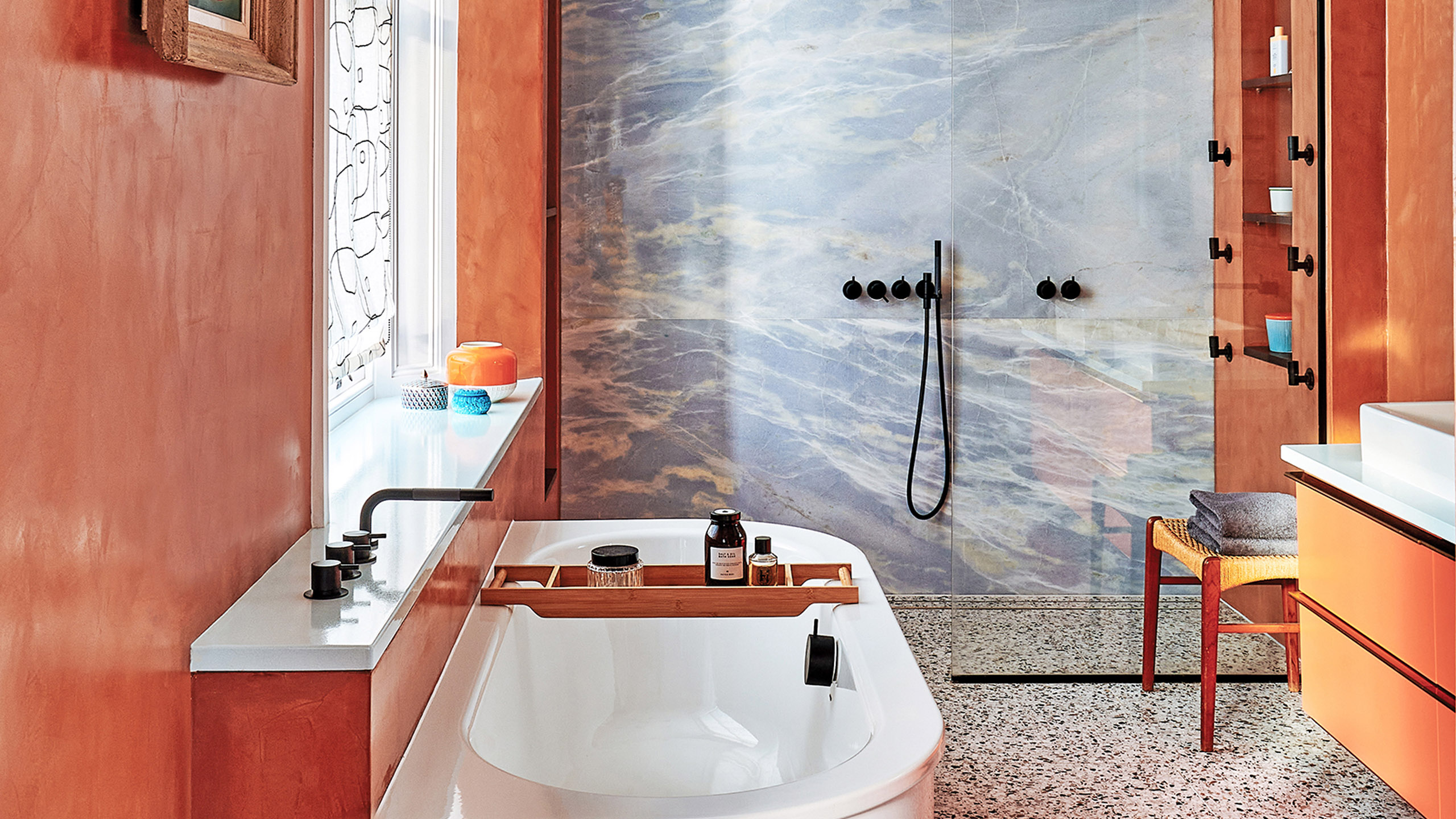
Luxury is rarely defined by visual impact alone. It is experienced through touch, weight, and atmosphere.
The cool surface of natural stone beneath bare feet. The softness of hand-finished timber. The reassuring weight of solid bronze hardware. The texture of lime plaster catching changing daylight throughout the day.
These sensory qualities create emotional connections with interiors that decoration alone cannot provide.
Whether designing a private residence or a hospitality environment, we carefully consider how every surface contributes to the overall experience. The most memorable interiors engage all the senses, creating spaces that feel calm, authentic, and deeply comfortable.
Sustainable Interiors Through Longevity
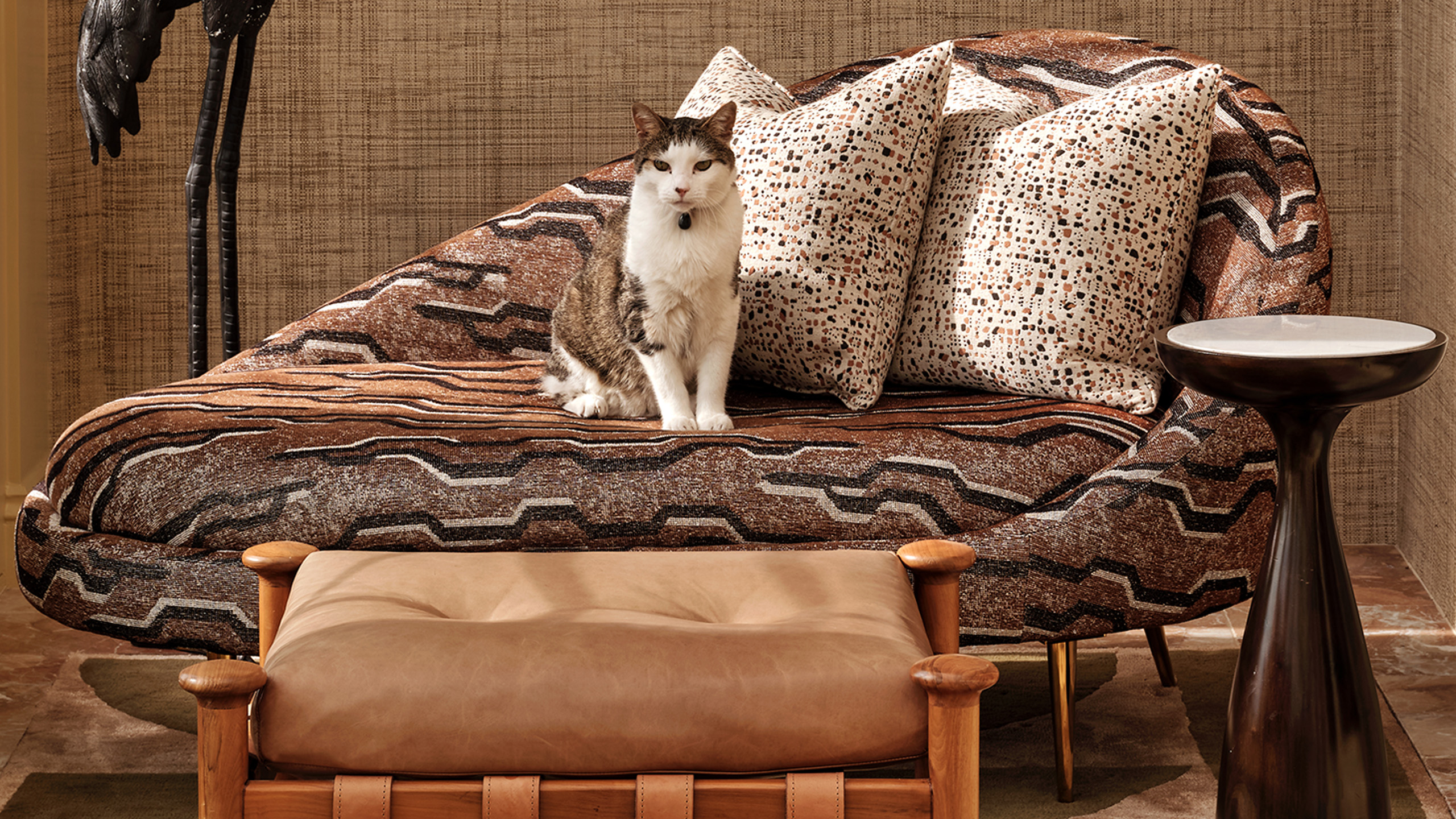
The most sustainable interior is often the one that does not need replacing.
Rather than specifying products with a short design life, we focus on creating sustainable interiors that remain functional and beautiful for decades. This means:
• Selecting durable, responsibly sourced materials
• Designing adaptable spaces that evolve with changing needs
• Investing in quality craftsmanship from the outset
• Restoring existing architectural features wherever possible
• Choosing materials that improve rather than deteriorate with age
Our approach to sustainability extends beyond environmental performance. It's equally about:
• Reducing waste through thoughtful specification
• Preserving heritage by restoring rather than replacing
• Supporting craftspeople through bespoke commissions
• Creating longevity that naturally lowers lifetime environmental impact
This philosophy has informed projects ranging from heritage restorations to contemporary homes, demonstrating that sustainability and luxury are not opposing ideas but complementary ones. When an interior is designed to last, its environmental impact naturally becomes lower over its lifetime.
How to Specify Lasting Materials: A Practical Guide
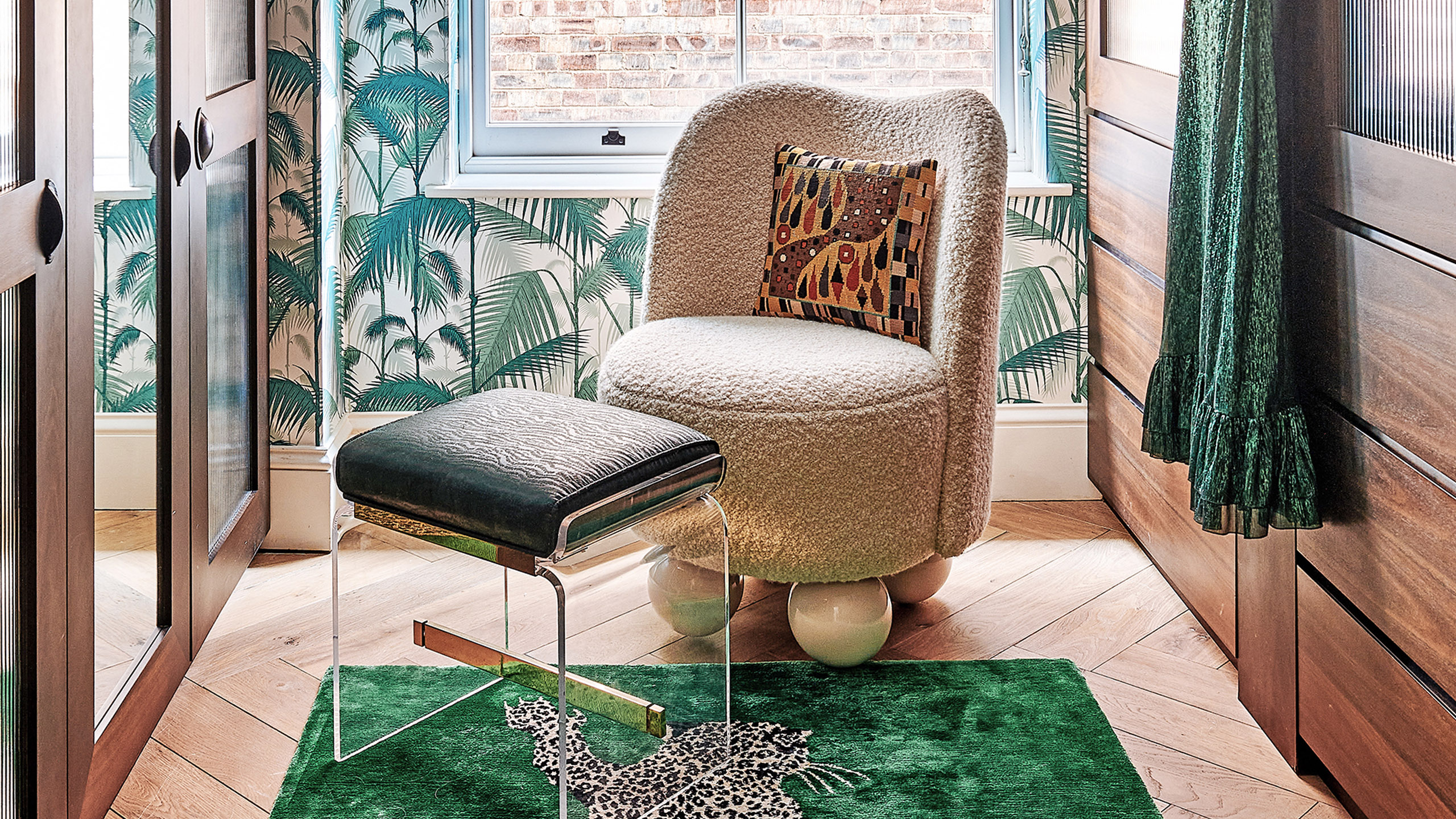
For homeowners and developers considering long-term interiors:
Natural Stone: Invest in quality slabs for longevity. Marble, limestone, and slate improve with age; consider seal options carefully for maintenance.
Timber: Specify solid wood rather than veneers where possible. Hardwoods age beautifully; softwoods offer warmth but require more maintenance.
Plaster Finishes: Traditional lime plaster outperforms modern alternatives in heritage properties and develops unique patina.
Metalwork: Bronze and solid brass develop character through patina; stainless steel remains pristine but less distinctive.
Textiles: Invest in quality fabrics with proven durability records. Natural fibers often age better than synthetics.
Common Questions About Material-Led Design
Q: Can material-led design work in contemporary homes?
A: Absolutely. Natural materials are timeless by definition. They complement both historic and modern architecture equally well.
Q: How do I know if a material will age well?
A: Look for materials with proven track records—those used in heritage buildings for centuries. Ask suppliers for aging examples and longevity data.
Q: Is bespoke craftsmanship essential for lasting interiors?
A: While not always essential, craftsmanship enables customization that ensures materials are perfectly suited to your specific space and use patterns.
Designing Beyond Trends
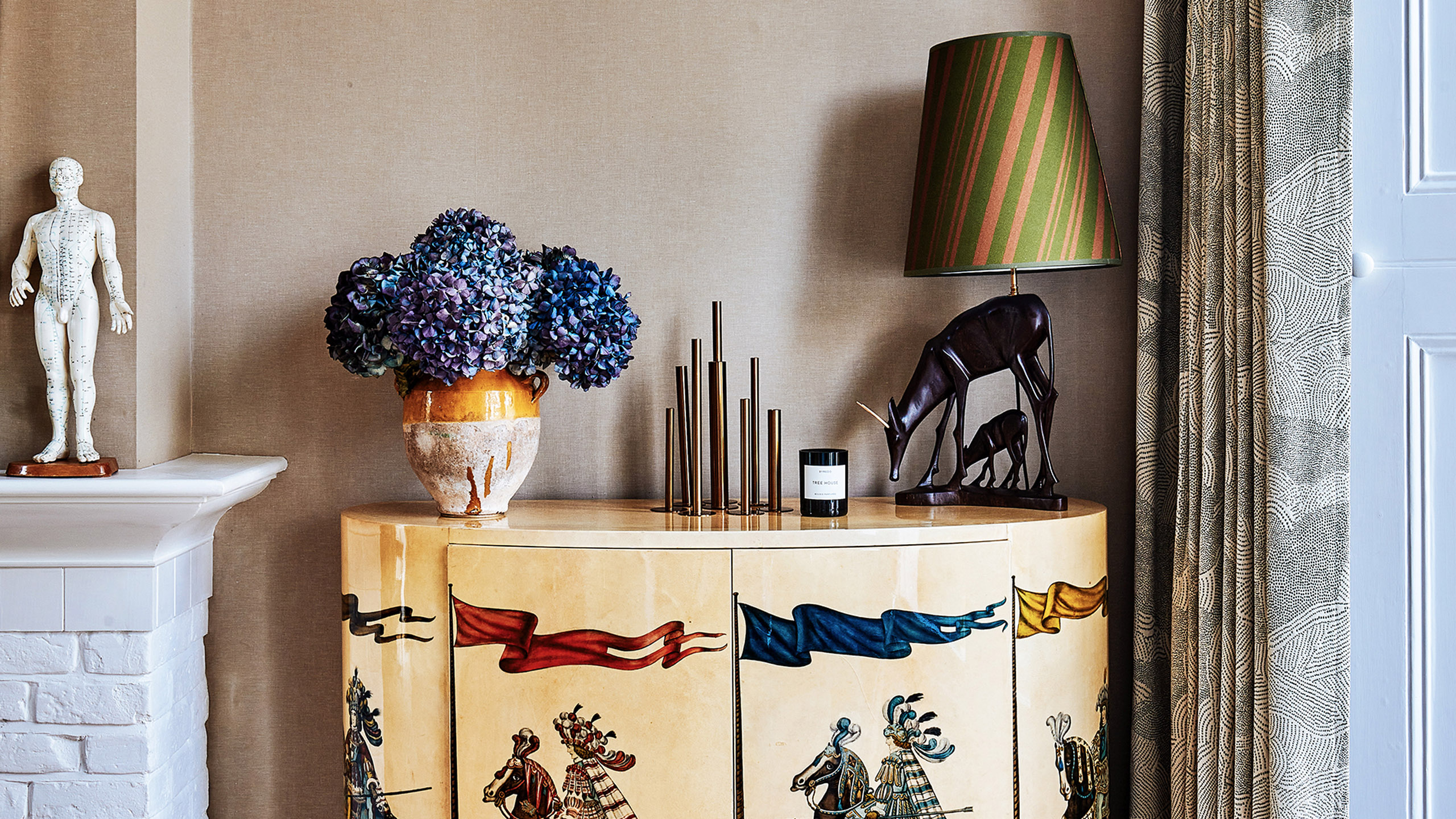
Decoration has its place. It introduces colour, individuality, and opportunities for change. But truly enduring interiors are created through something far deeper.
They are shaped by:
• Carefully considered interior materials selected for durability and character
• Skilled makers collaborating to create unique details
• Understanding of how people experience space every day
Authentic materials develop character. Bespoke craftsmanship brings individuality. Thoughtful detailing allows interiors to evolve gracefully over time.
At WOOLF, we believe that the most successful interiors are those that become more beautiful with age. By prioritizing materiality and longevity, we create spaces that remain relevant, sustainable, and deeply personal for generations to come.
Ready to Create a Lasting Interior?
Whether you're restoring a listed property, designing a new home, or creating a hospitality space, our approach to material-led design ensures your interior will keep evolving over decades.
Discover more at woolfinterior.com