
Why the Best Interiors Are Planned Before They Are Designed
Many People Design a Home Before They Plan It
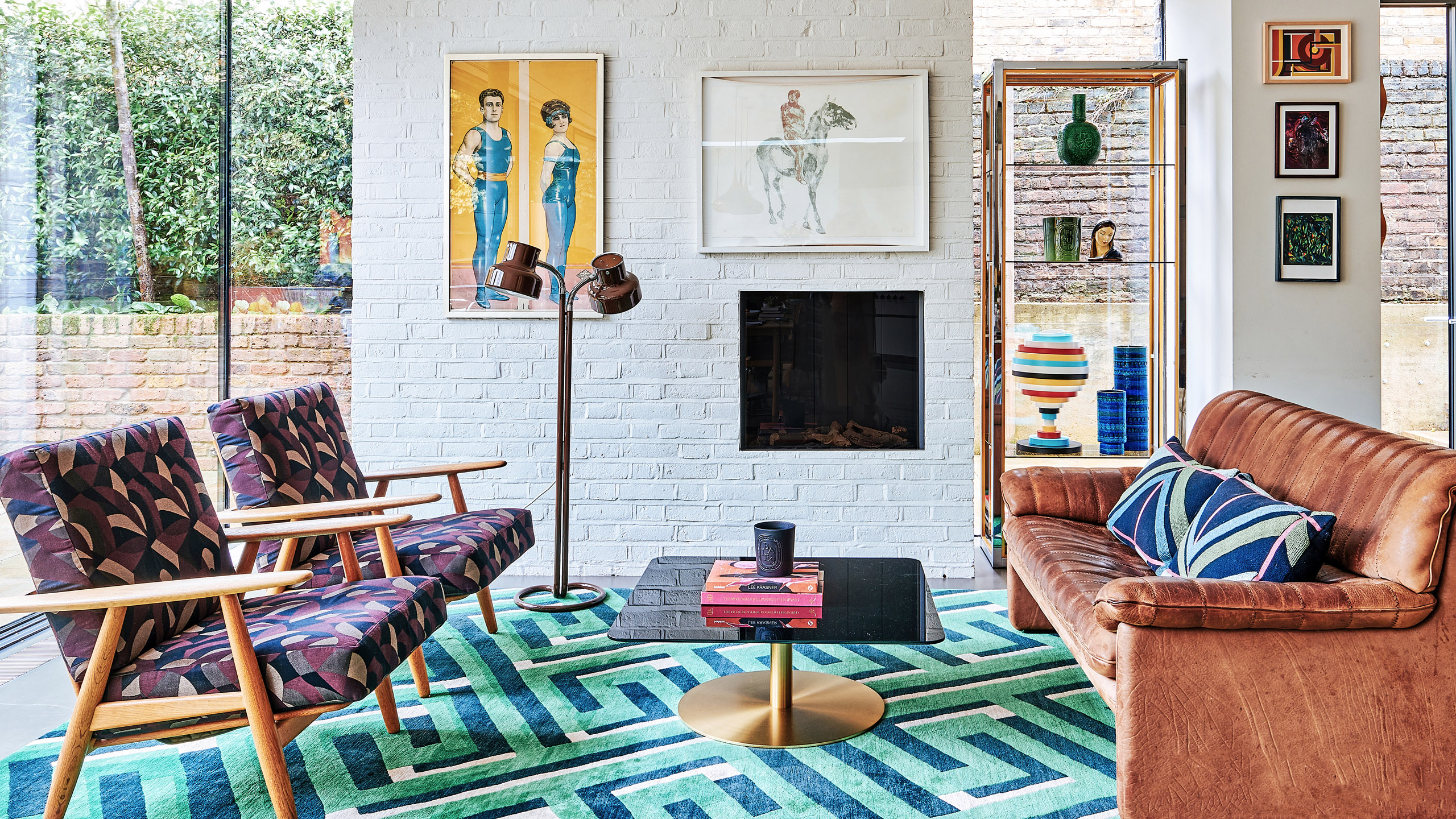
When people imagine renovating a home or creating a new hospitality destination, their thoughts often turn immediately to the final outcome.
The best interiors begin long before decorative decisions are made. They begin by understanding how people live, move and interact with a space. This is the role of interior architecture—creating the framework that allows every subsequent design decision to work harder.
At WOOLF, whether we are transforming a listed townhouse, reimagining a country estate or designing a boutique hotel, we know that exceptional interiors are built upon thoughtful spatial planning, and beautiful decoration.
Good Design Starts with Understanding People

Every project begins with people rather than products.
A growing family lives differently from an empty nest couple. A hotel guest experiences space differently from a homeowner. Some clients entertain frequently, others prioritise quiet retreat. Many now require flexible home working alongside family life.
Understanding these daily routines forms the foundation of the interior design process.
Human-centred design asks important questions long before finishes are selected:
• How does the family move through the house?
• Where does natural light arrive throughout the day?
• Which spaces should feel calm and private?
• Where do people naturally gather?
• How might the building evolve over the next twenty years?
By designing around lifestyle rather than trends, interiors remain relevant, practical and enjoyable for decades.
Layout Shapes Everyday Experience
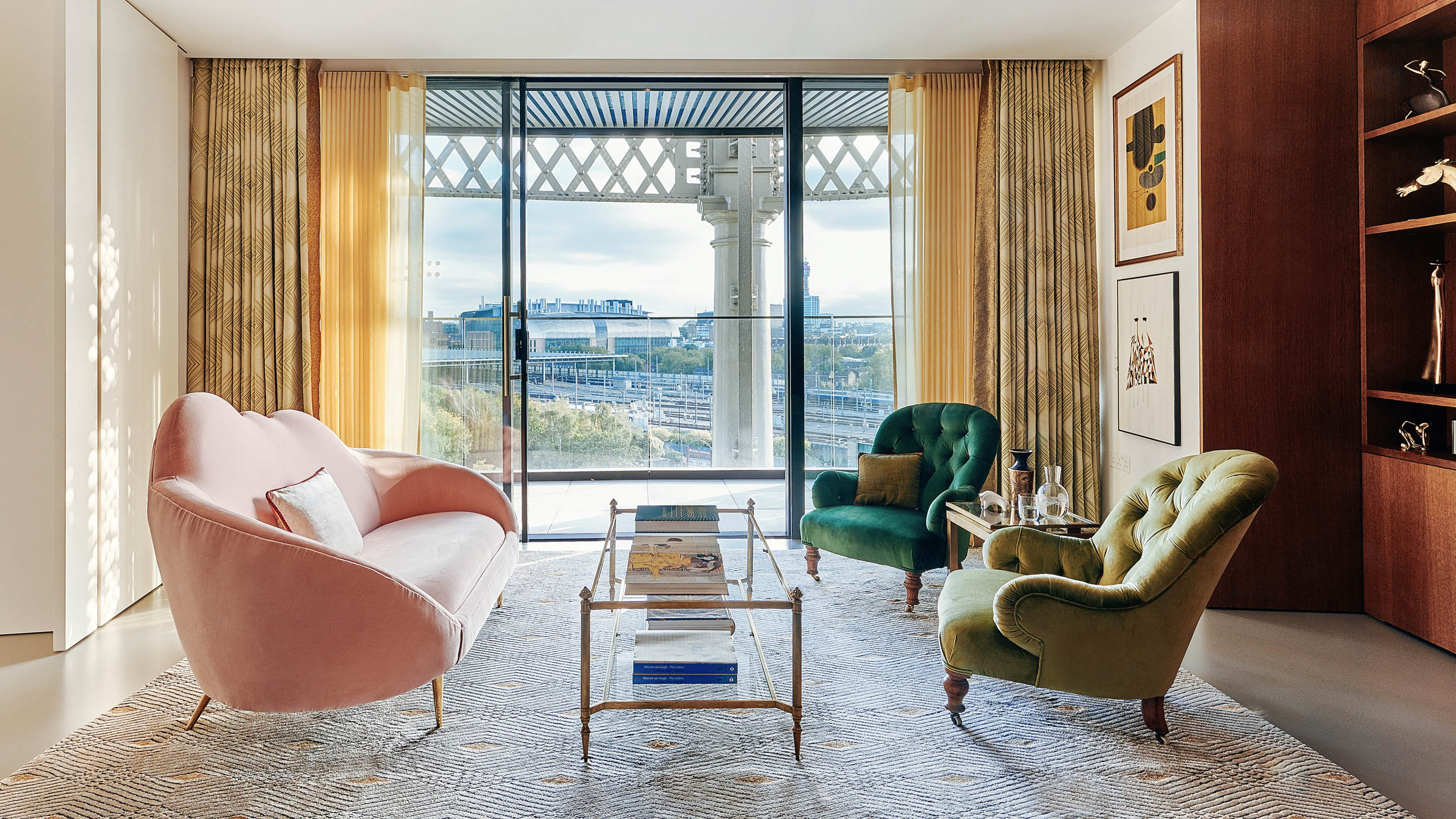
People rarely notice excellent planning—but they always notice when it is missing.
The relationship between rooms, circulation routes, ceiling heights, views and sightlines all influence how comfortable an interior feels. Well-considered interior planning creates an effortless flow between spaces, allowing architecture to support everyday life rather than interrupt it.
A carefully planned kitchen may encourage family interaction while maintaining efficient workflows. A repositioned staircase can transform the way an entire house functions. Introducing borrowed light into darker areas can dramatically improve the atmosphere without increasing floor area.
These interventions often have a greater impact on daily experience than any decorative scheme.
Projects such as WOOLF's Hammersmith Riverside Villa and Dumbleton Hall Hotel demonstrate how thoughtful spatial interventions can respect historic architecture while delivering contemporary functionality. Rather than imposing design upon a building, the architecture itself becomes the starting point.
Planning Prevents Expensive Mistakes

One of the greatest benefits of early spatial planning is avoiding unnecessary cost later.
Poor planning often leads to structural alterations after construction has begun, duplicated work, conflicting consultant information and expensive compromises on site.
Early interior architecture allows designers, contractors and specialist consultants to coordinate before work starts. Joinery integrates with services, lighting supports architecture and circulation is resolved before walls are built.
For developers and hospitality operators, this approach also protects commercial performance. Better planning improves operational efficiency, guest experience and long-term flexibility, ensuring spaces continue to perform as expectations evolve.
Good planning is rarely the expensive option. Correcting poor planning almost always is.
Beautiful Design Flourishes on Strong Foundations

Only once the spatial framework is resolved do the creative layers begin to emerge.
Natural materials, bespoke joinery, carefully considered lighting, art collections and furniture all become more successful because they respond to a space that already functions beautifully.
This is where WOOLF's narrative-led approach comes into its own. Every decorative decision supports the architecture rather than competing with it, creating interiors with depth, personality and longevity instead of short-lived visual impact.
The result is a home or hospitality destination that feels intuitive to use, emotionally engaging to experience and timeless in character.
The most successful interiors begin with understanding how people live, how buildings function and how architecture can improve everyday experience.
Interior architecture provides the structure upon which every other design decision depends. By investing time in planning first, clients avoid costly mistakes, unlock greater long-term value and create spaces that feel as good as they look.
At WOOLF the most enduring interiors are designed from the inside out—where thoughtful planning creates the foundation for exceptional living.
Discover more at woolfinterior.com